
Moving into the winter
To everything (Turn, turn, turn)
There is a season (Turn, turn, turn)
Or as I prefer to say - CROSS IS COMING!!!!!
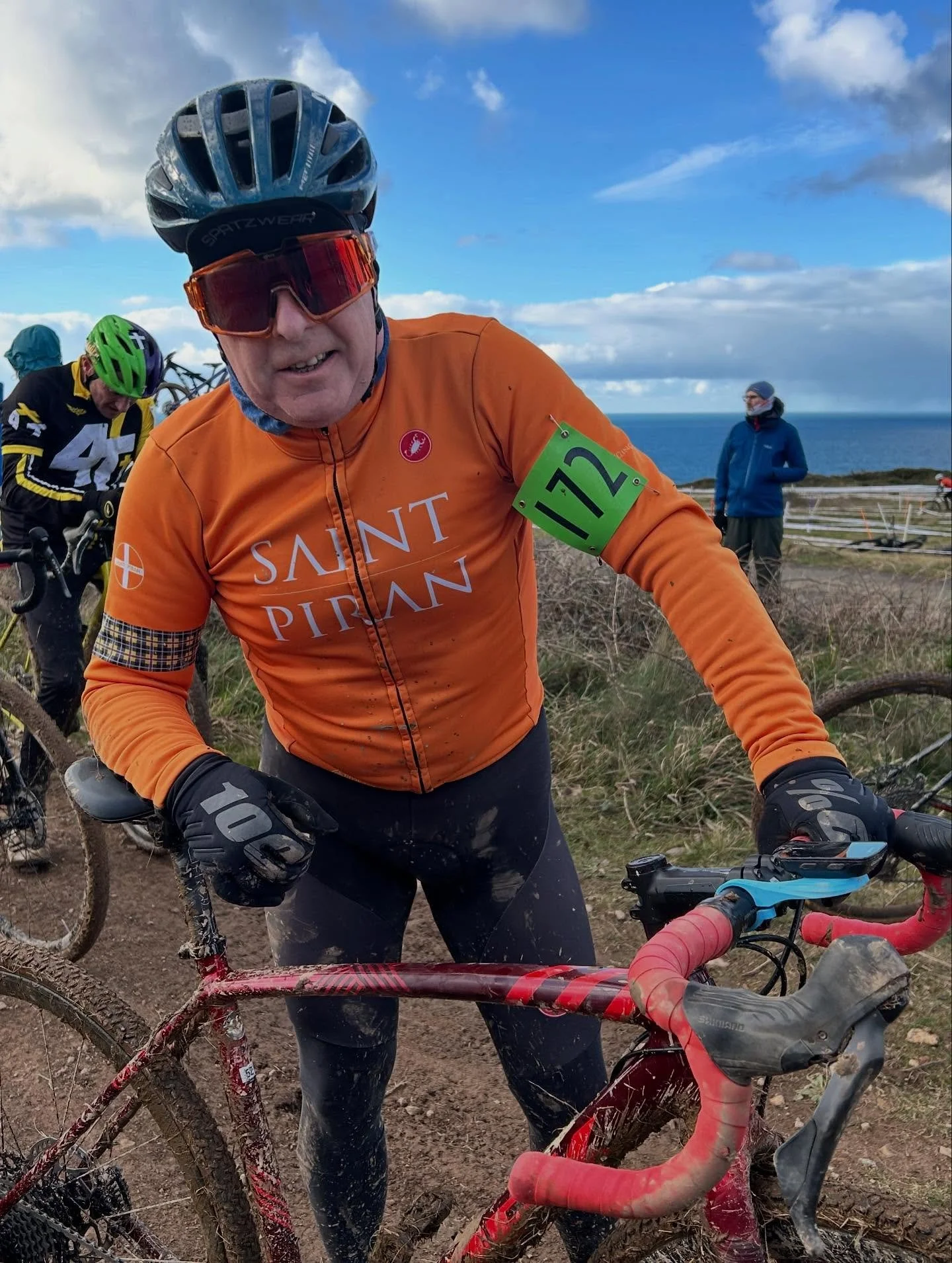
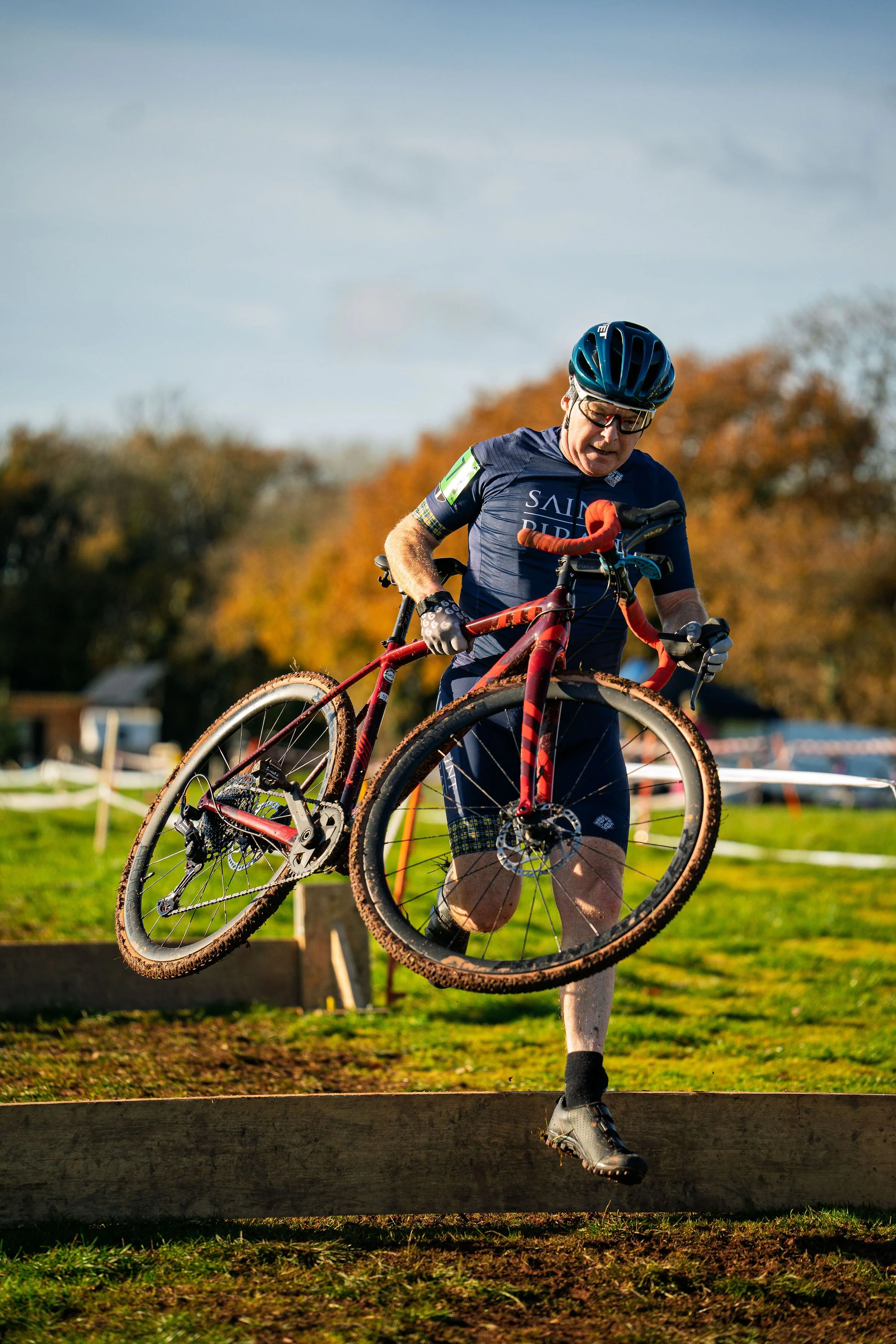


The dog days of the summer are here, and while the weather will hold for a while longer, it won’t be long before every ride ends with you and the bike being jet-washed in the garden before being allowed in the house. As the XC season ends, the CX season starts – and, like Superman in his phone-box, for those of us that race both, the change from one to the other is as easy as that. You don’t even need to change bikes.
The ‘What’…
Cyclocross began in early 20th-century France as an off-season training method for road racers who wanted to maintain their fitness during the winter, or so the legend goes. It started as a point-to-point race from one town to the next, steeplechases in the true sense of the word, racing from one spire to the next obvious landmark. Competitive humans being what they are, they took shortcuts through fields, over fences, down muddy lanes and over streams. That’s where the now seemingly obligatory mud and carry (portage) parts came in.

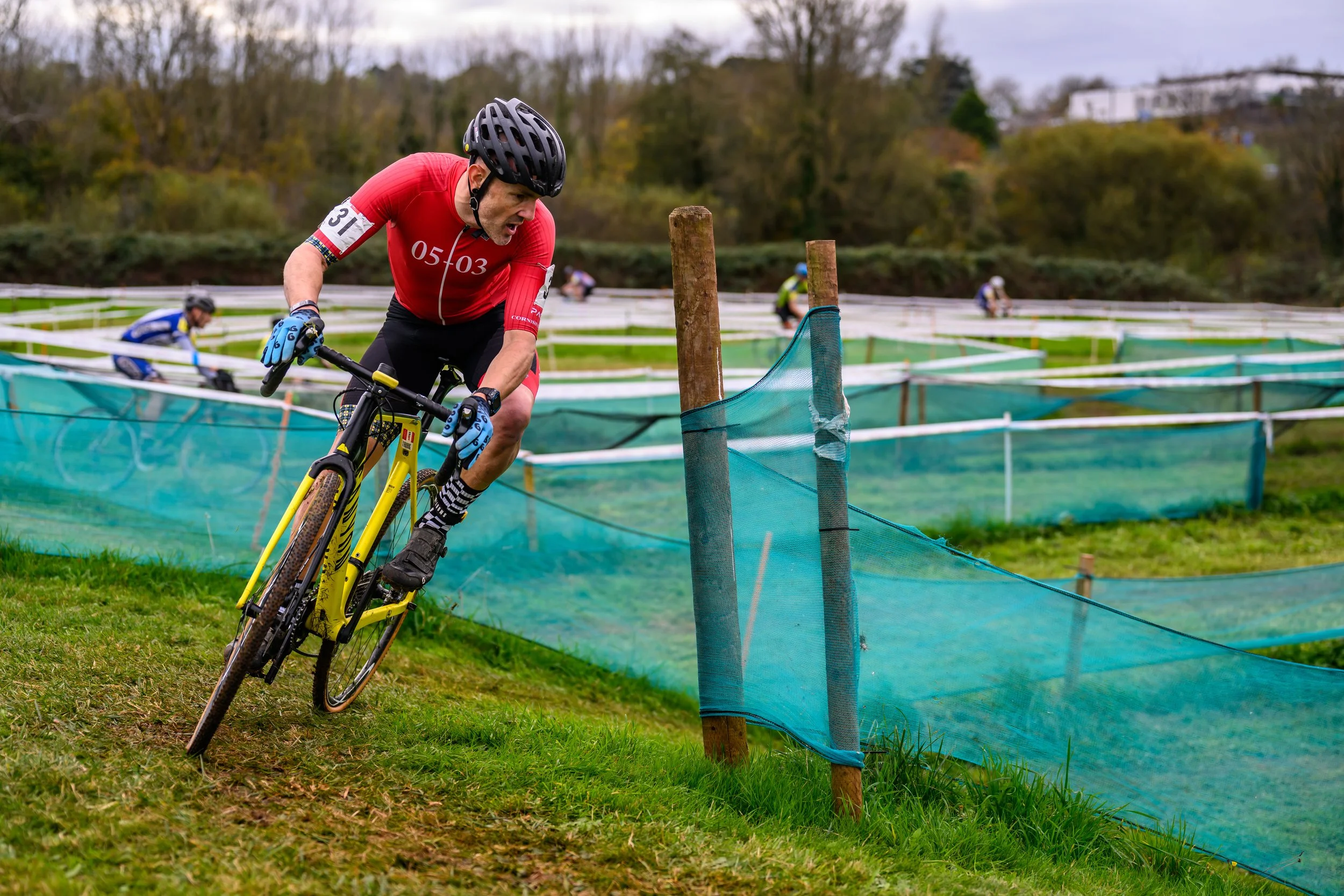
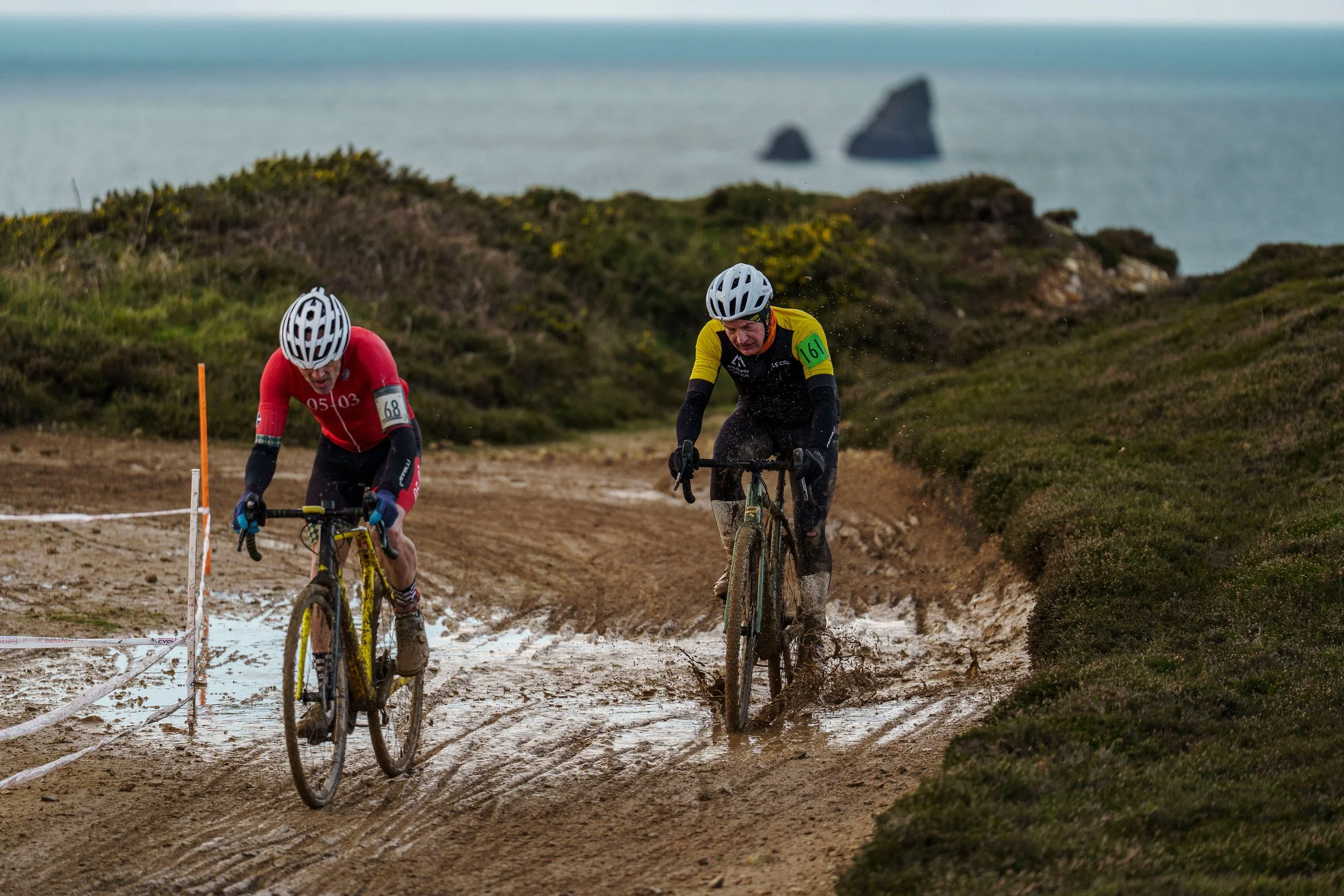
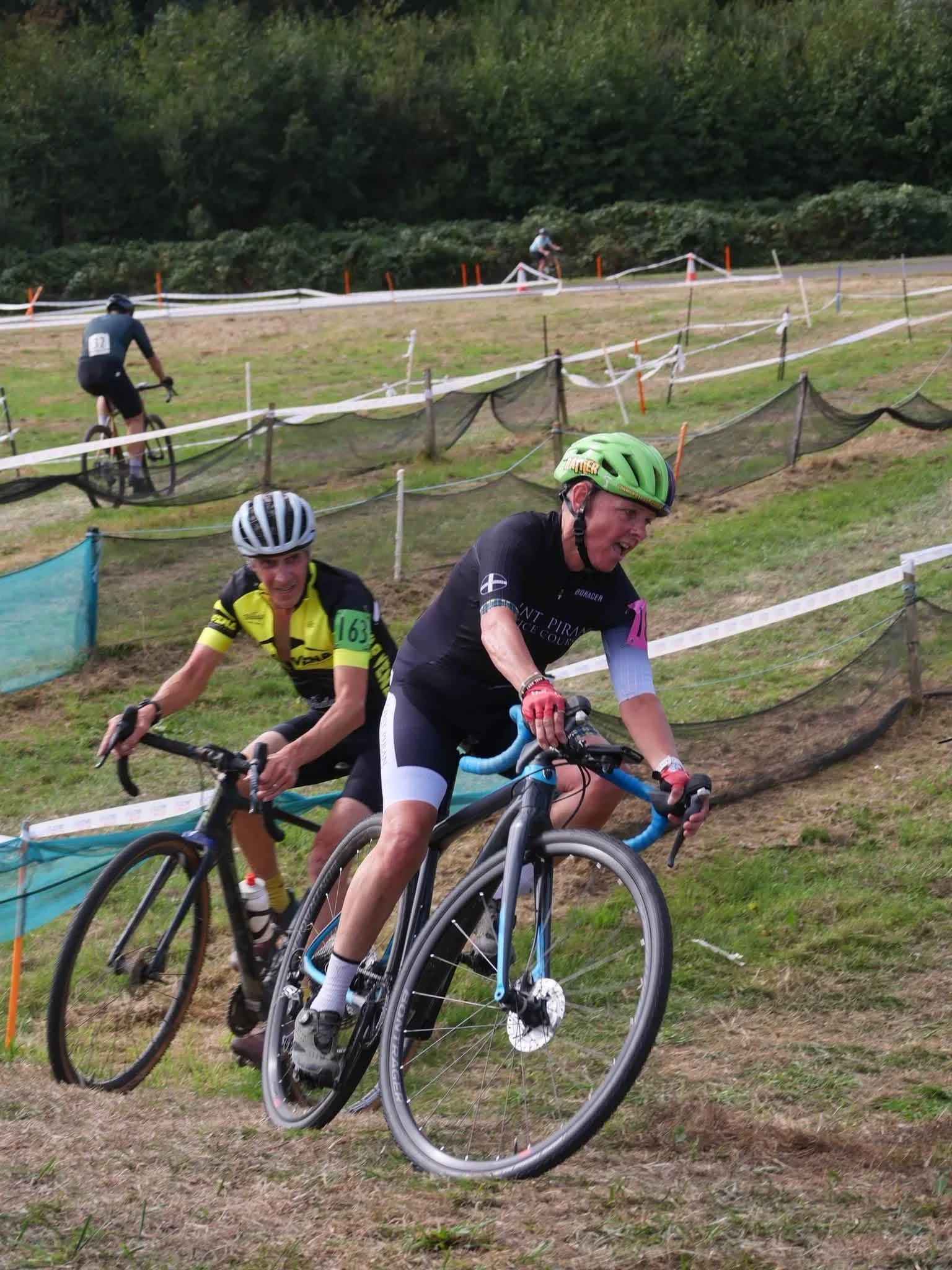
In 1902 a Frenchman named Daniel Gousseau organized the first official French National Champs, Belgium followed suite in 1910, and the UCI held the first World Champs in 1950.
Modern CX isn’t quite so adventurous, but it is a good use of space. It’s usually raced on a tightly woven course set up on the periphery of a local school playing field, agricultural show ground or the less demanding area of your local XC venue. Some of the best World Cup level events are held in city centres using paths, stairs and any patch of grass available. And that is partly the appeal, you can race or train almost anywhere and the whole course can often be seen from one vantage point, no need to drive around or hike through the woods to watch. It’s the deranged love-child of Crit and XC racing. It’s the winter, it’s grim, Il Lombardia has been run and the Spring Classics are a long way off: step in a winter cycling sport in an urban adjacent area, add a plentiful supply beer and frites (and mayonnaise???) and peak the racing through the Christmas and New Year holidays when everybody has time off. Keep the racing short, add grudge match rivalry between local and national heroes, guarantee plenty of crashes and stand back. The Belgians and Dutch love it, and it incites a serious ‘local derby’ between the two, with National pride at stake.
The ‘How’….
Find a race; in the UK there are plenty of races and leagues organised in each region, often it’s the same clubs who put on the XC races. Check the British Cycling events website. Races are categorised by age, not ability, and no matter your level there will always be somebody you can compete against.

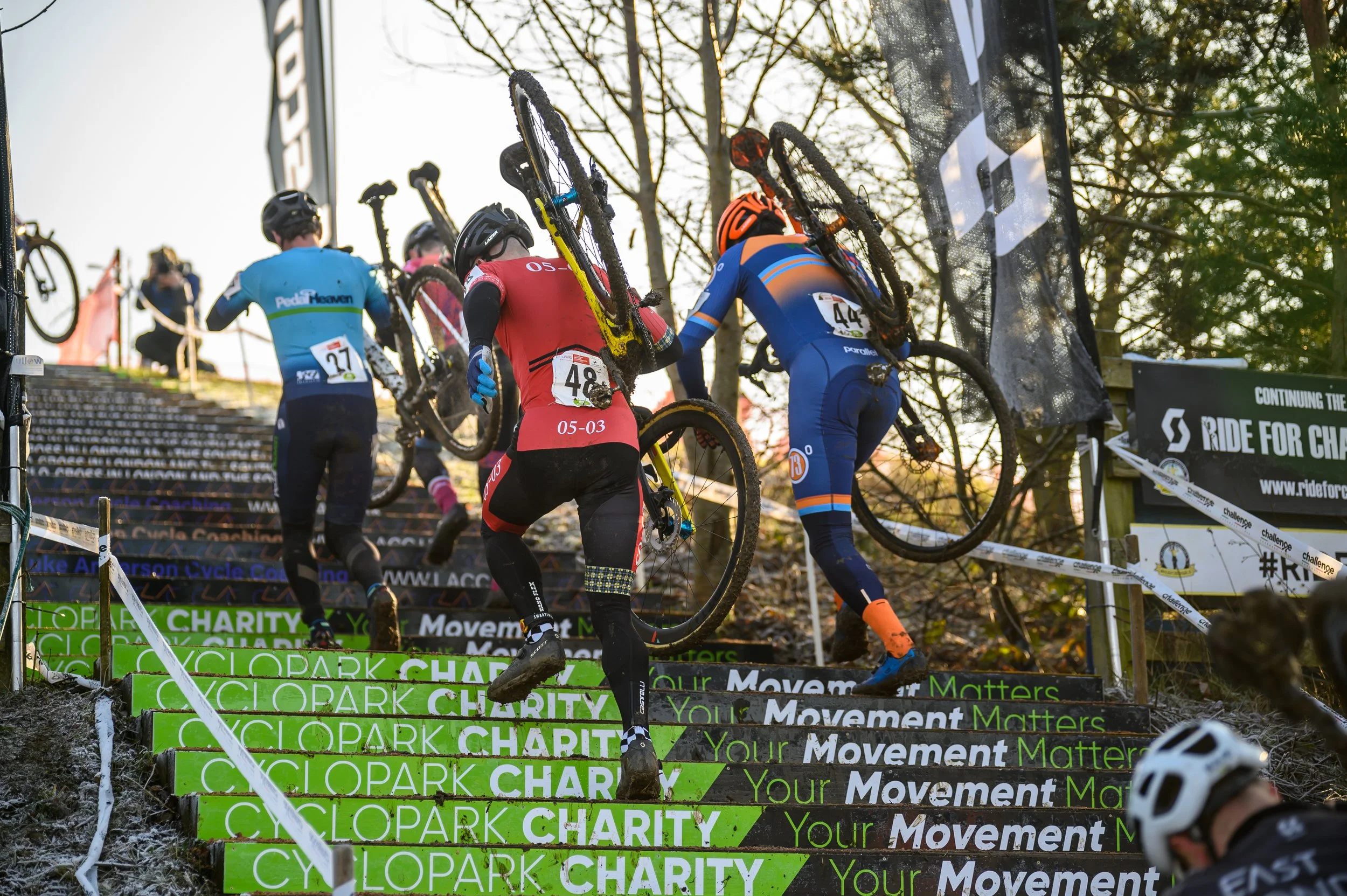
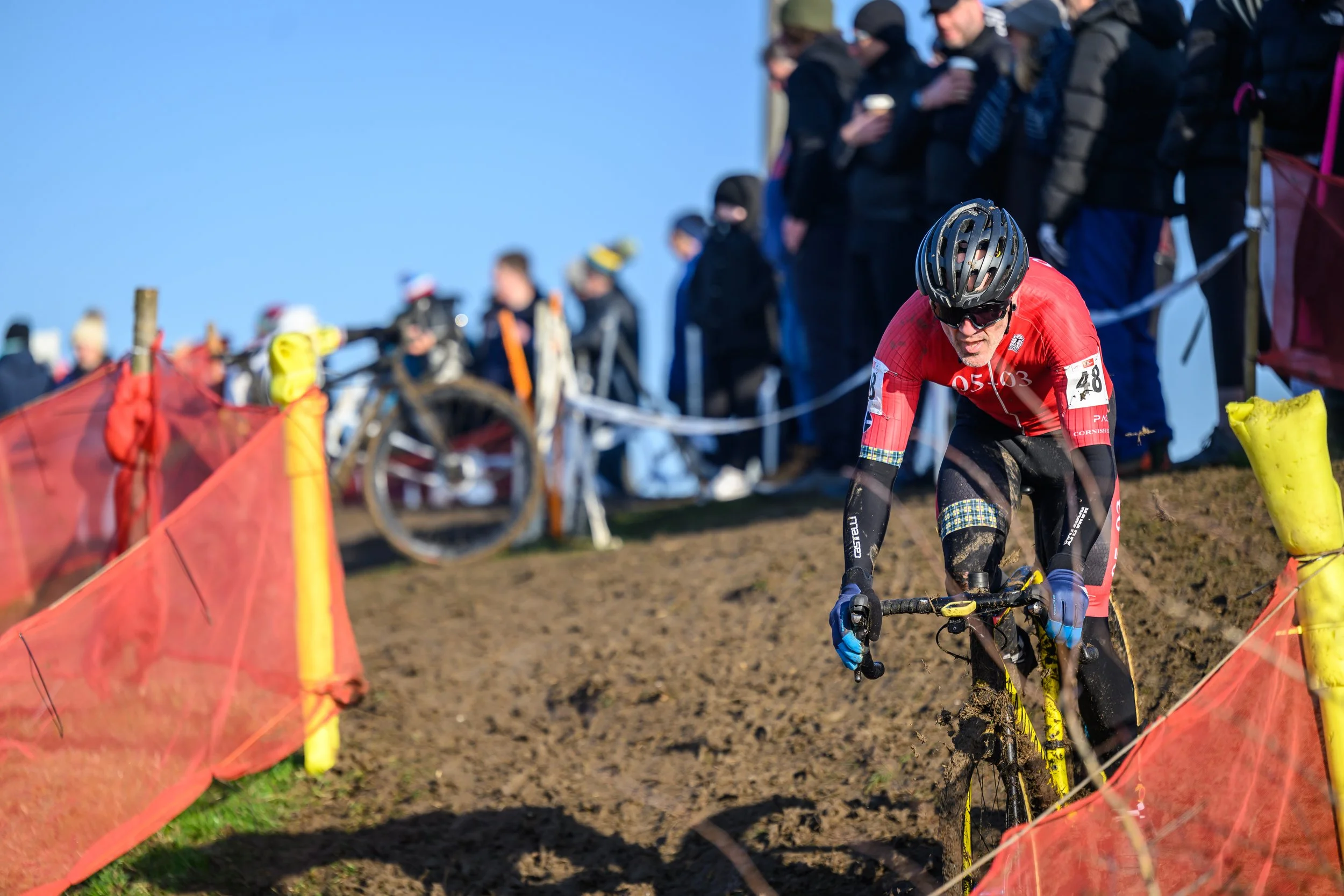

CX is very ‘run what you brung’ (sorry for the Americanism) and until you get to National level you can ride anything you like, and any tyre you want. The front end of the pack will be on modern CX bikes, but then they’ll be the people competing Nationally. Rows two back will certainly have some MTB in there. Hard tails work best, and tyres any more aggressive than light XC are just extra drag, but you can race whatever you like, and some courses do suite an XC more than a CX bike.
If you thought being a roadie involved tyre tread and pressure choices then you haven’t seen CX, or XC for that matter. Riders spend ages deliberating over set-up and swear by various combinations depending on terrain and soil moisture content. In short, nothing grips well, you will slide, you won’t go where you want to go, the tyres will be too soft for the home straight and too hard for the boggy corner – live with it, this is CX! Go with whatever works ‘well’ (relative term) for the largest part of the course. The beauty of CX, unlike all the other disciplines, is that you can get off and run. Nobody jumps off their bike on a Crit because of a tricky corner, but we do it all the time in Cross. If your tyre isn’t gripping, then it’s doubtful your competitor’s is either. Rather than struggle and probably crash anyway, get off and run, it’s often faster. The same is true for steep banks, you’re XC bike might have low enough gears to ride up, but it’ll be slow, a CX bike almost certainly doesn’t unless you’ve got a run up and good grip, so dismount at the bottom and run it.
And the ‘Why’.
It's fun, it’s competitive and most of all, it’s friendly. None of this Crit racer, ‘I’m the next big thing’ shenanigans; everybody has time for each other and I’ve never been to a CX race, at any level (including World’s) where people don’t chat and exchange techniques or help each other out. Elbows out in the corners it might be, but laughs, and occasionally beers afterwards are just as prevalent. It’s a race you can take the whole family to, everybody from the snot-goblins on balance bikes to the Septuagenarians on ‘real-steel’ races a version of the same circuit. And it builds skills and confidence, on soft terrain, so the consequences of ill judged or ill executed moves aren’t hospital worthy. It’s not by coincidence that some of the best Male and Female road racers out there came from, or extensively raced CX; Piddcock, Van der Poel, Van Aert, Brand and Backstedt still race.
Give it a go, if nothing else it’ll give you something to do on a Sunday morning and give you an excuse to buy a new bike.