
our Bikes
This page isn’t a cut-and-paste from the manufacturers' websites, you’ve already read that. This is about our bikes, why we chose them, how and where we ride them, and why we love them.
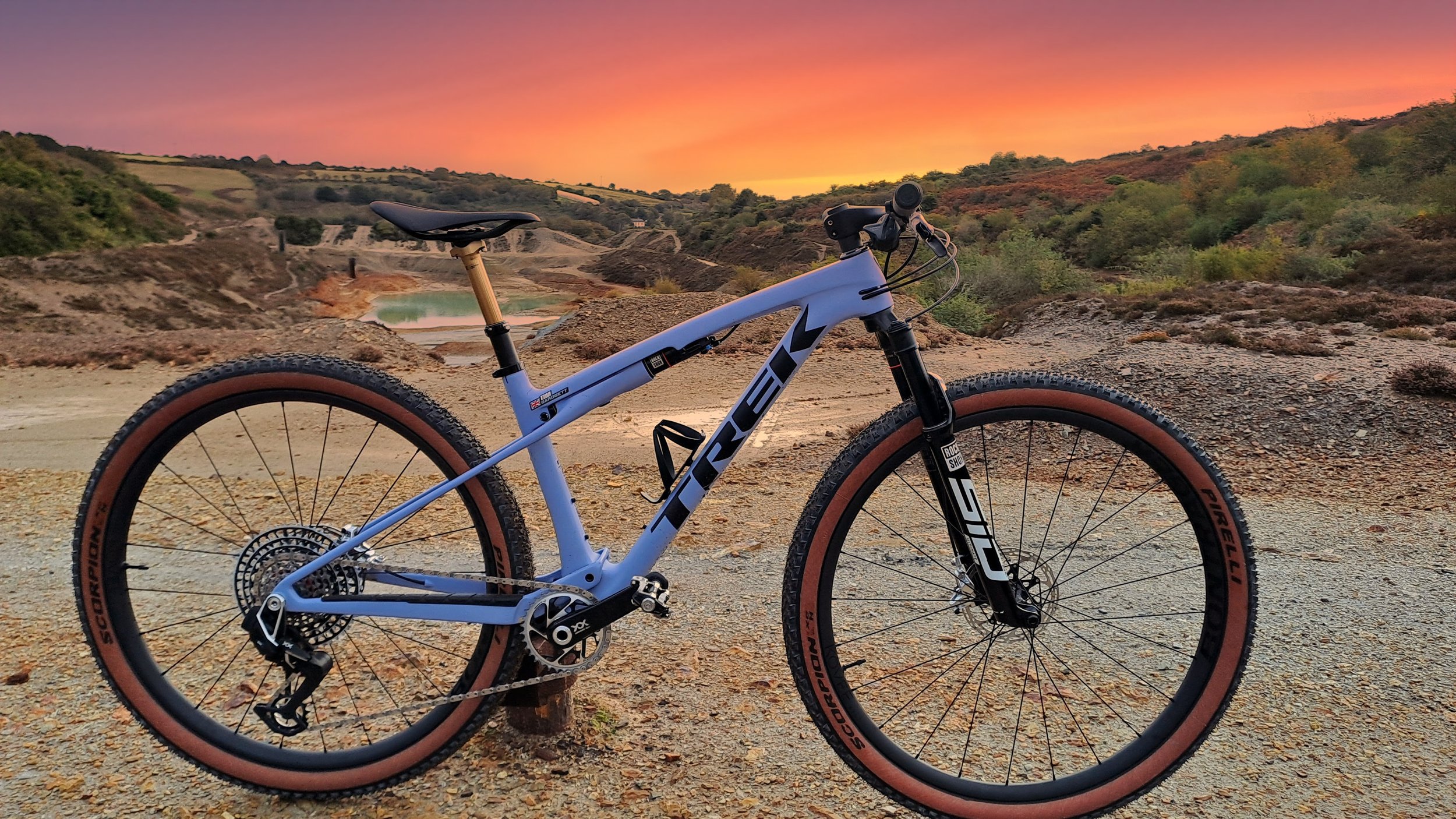
Trek Supercaliber
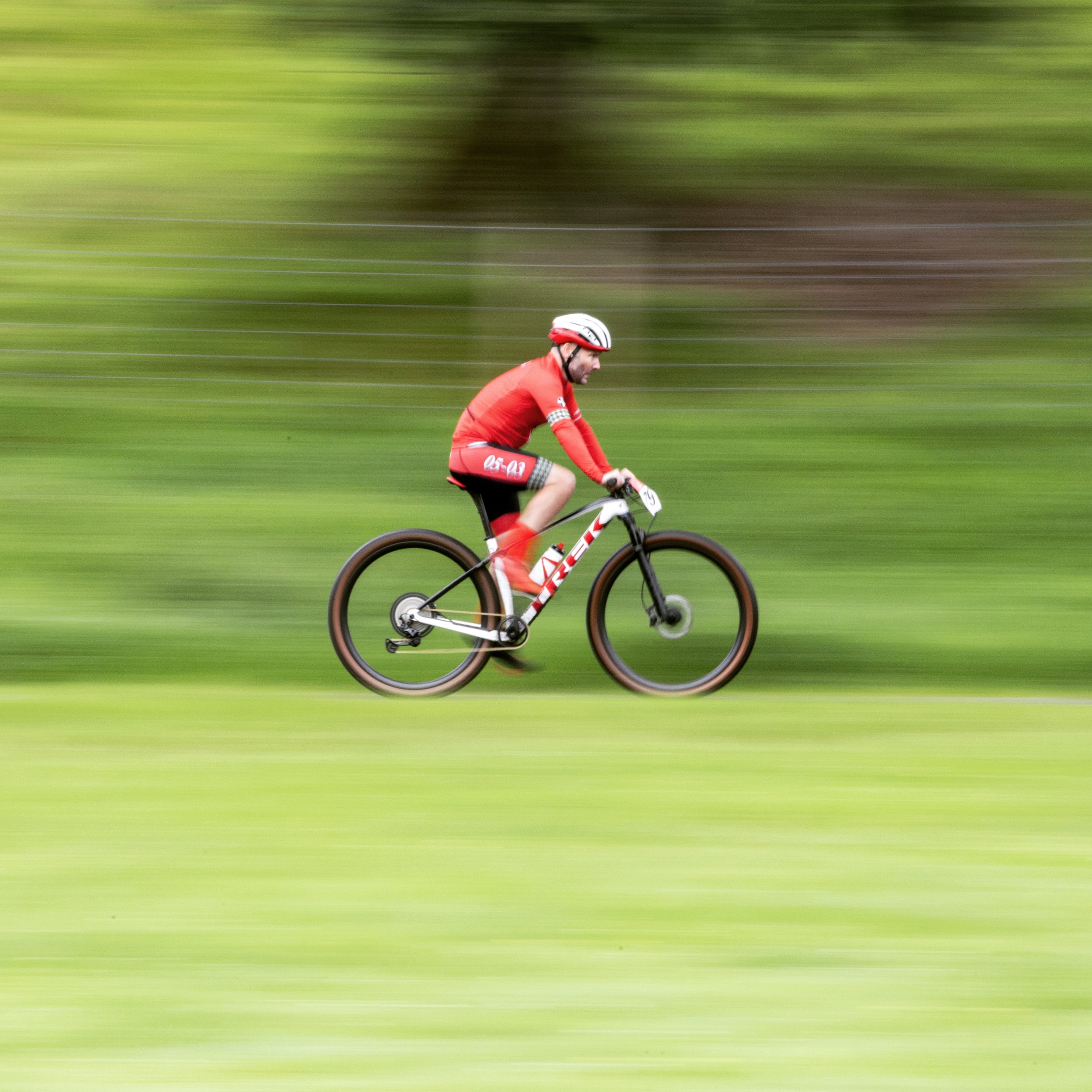
This is the go-to ‘weapon of choice’ for the MTB XC riders, and not just our team riders, but the World Tour riders too. Anybody heard of Evie Richards? Super fast British rider with multiple World wins at XCO and Short track, including being World champ, and yes, we are massive fans.
Three of the team raced various editions of this bike in 2025 and two of us carry it on into 2026 (the third changed team, not bike). We’ve all previously ridden either full suspension XC bikes from other brands, or moved up from Trek’s hardtail, and we all had the same initial thoughts - “this thing is amazing”.
Tim Bardgett “The switch from Trek Procaliber to Supercaliber was significant, it opened up whole new features that I simply wouldn't have tackled before. Riding trail sections with increased pace and control".
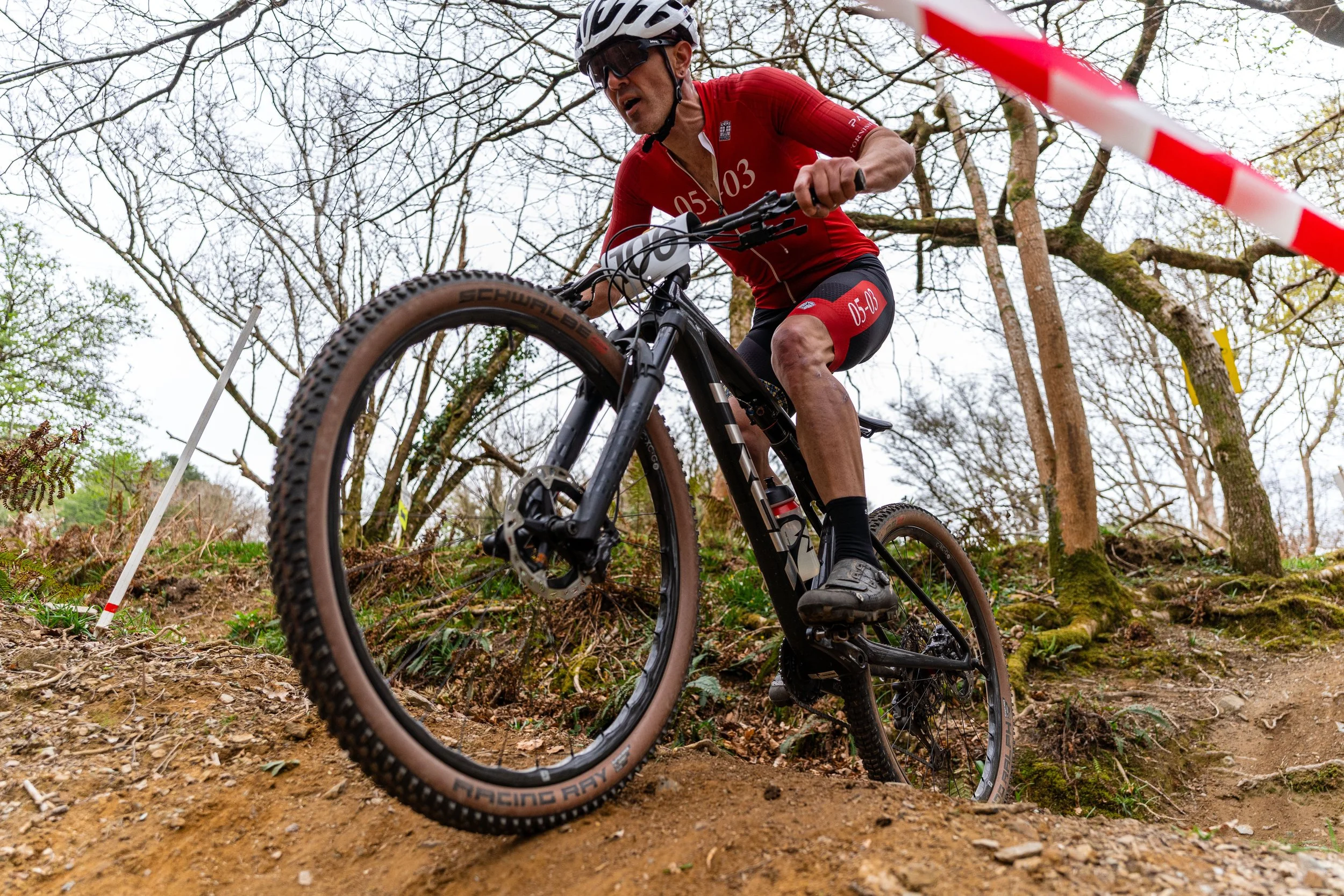
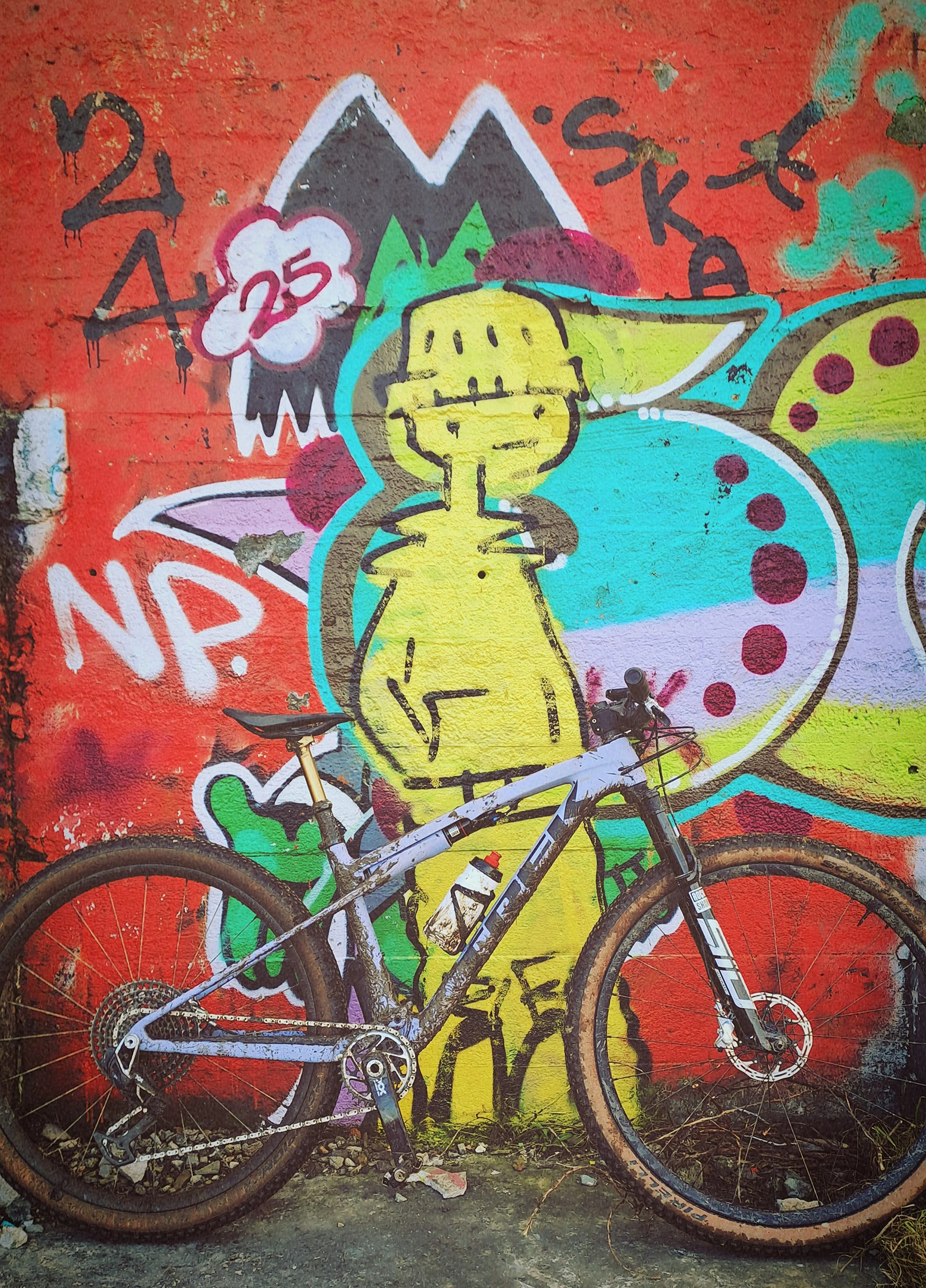
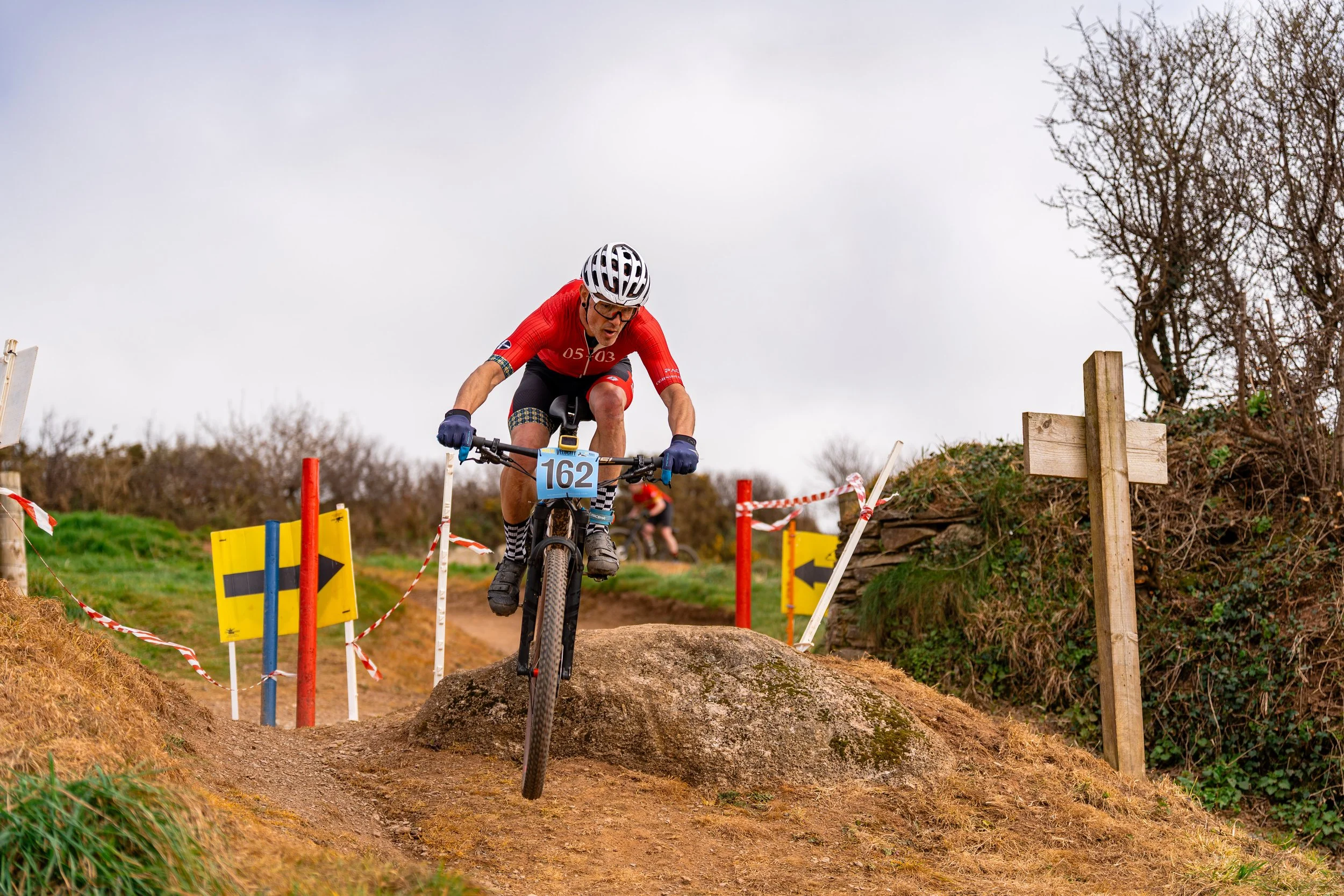
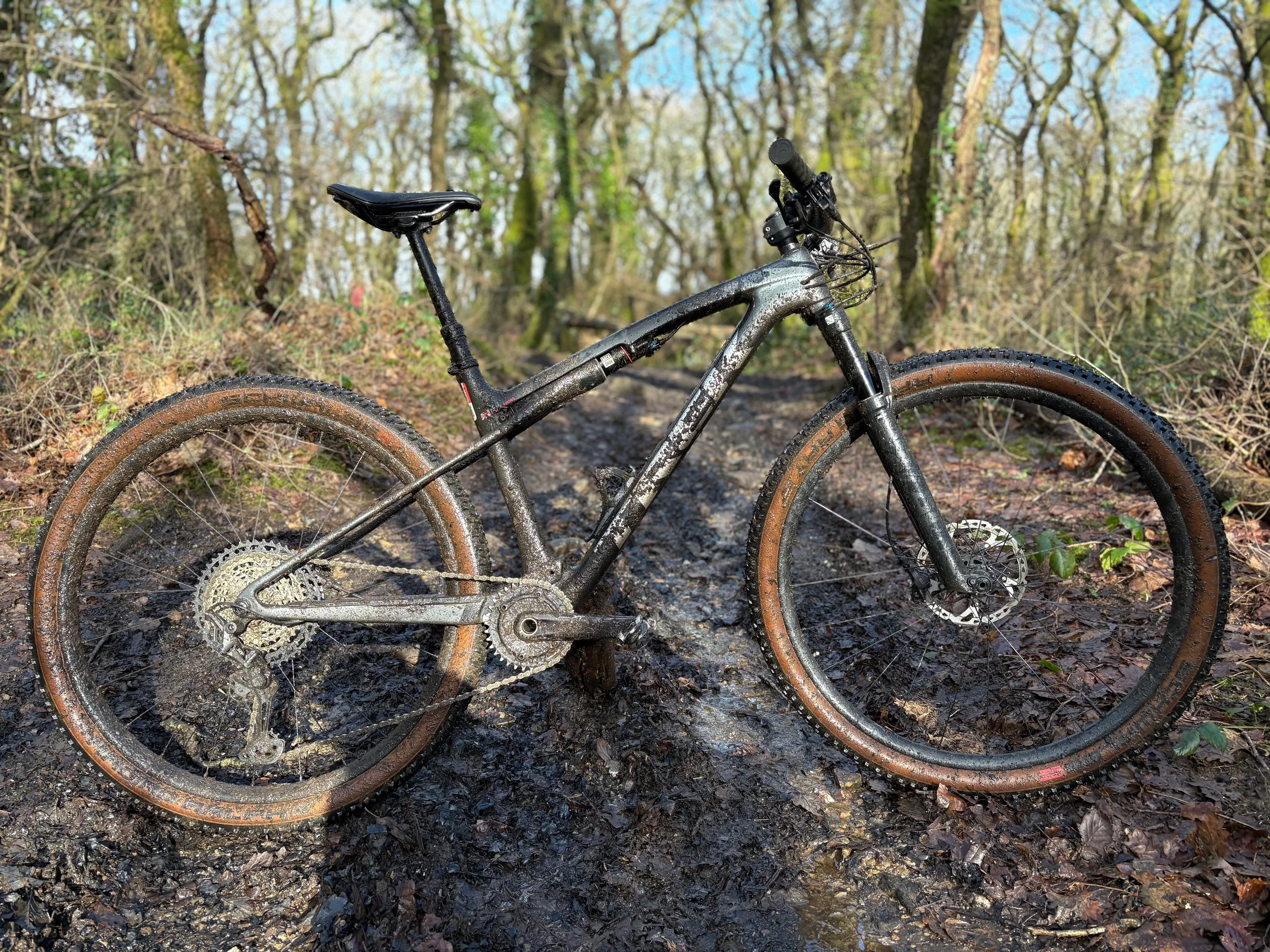
For 2025, Trek created the Gen 2, building on the very successful first Generation. Mainly this involved a slackening of the headset angle and an increase in travel. You can really feel it too, the Gen 1s were good but these tweaks have really allowed this bike to blast through the tougher technical terrain increasingly seen in XCO courses (particularly in the Southwest for some reason). It’s somehow directionally stable so it doesn’t get thrown off-line, but turns through a hairpin like a dream a few seconds later, and the extra travel doesn’t seem to dampen power transfer, so every pedal stroke counts. It also comes with a double lock-out, so at the flick of a switch it become fully rigid and can handle a Gravel ride. All this also makes it very forgiving, it’ll go through the tech stuff, even if the rider isn’t quite capable of it yet. A great bike to learn on, and even better to race on.
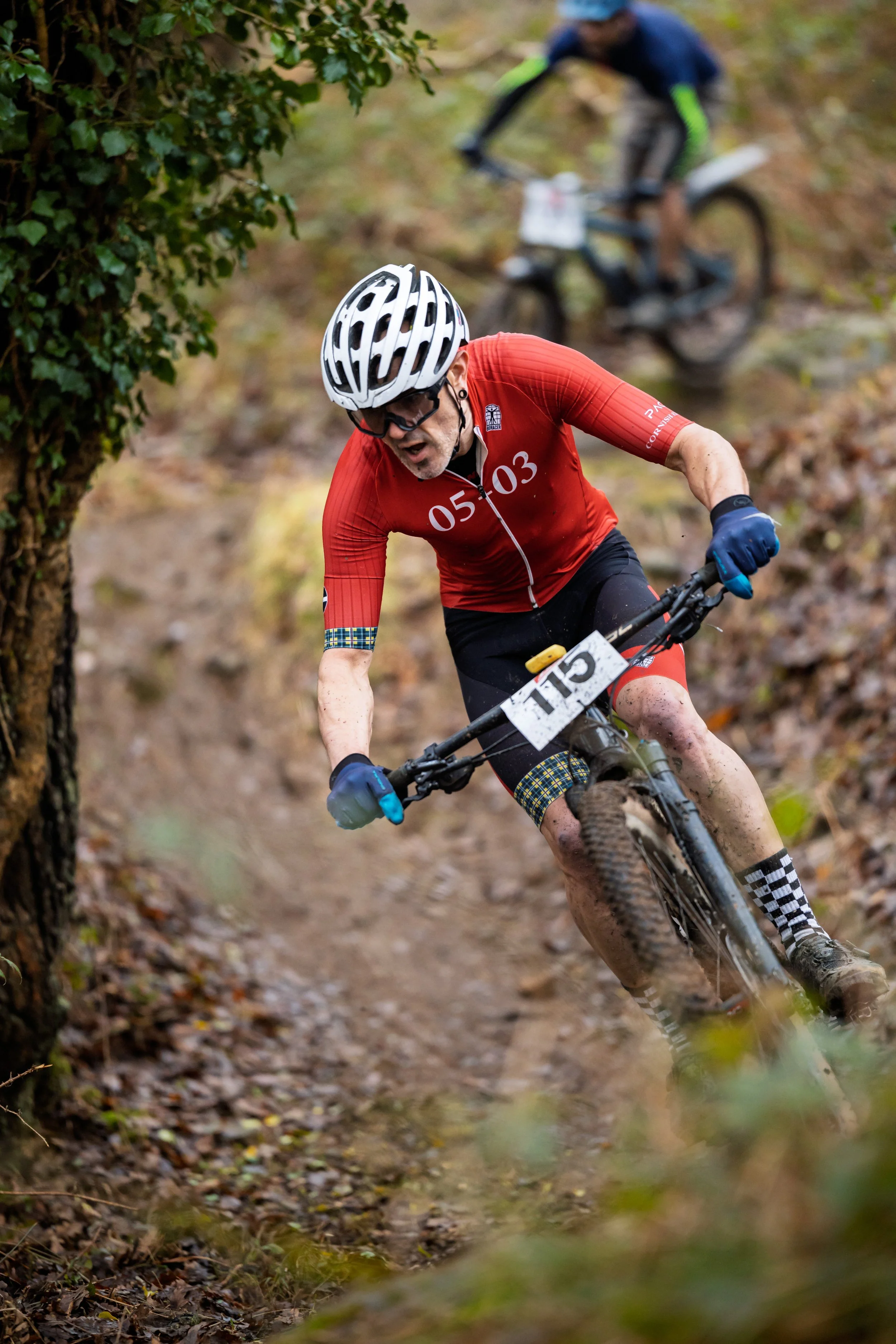
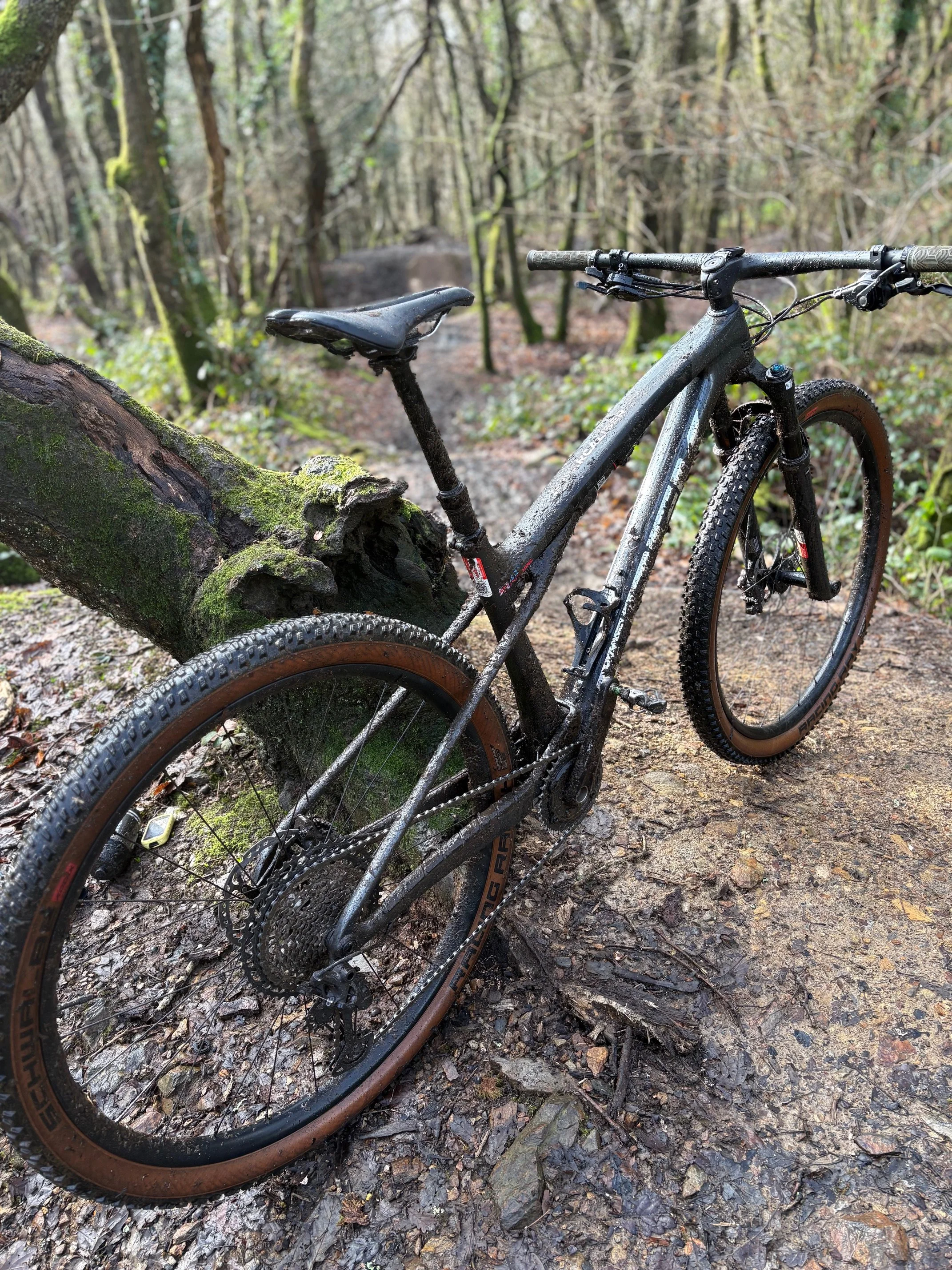
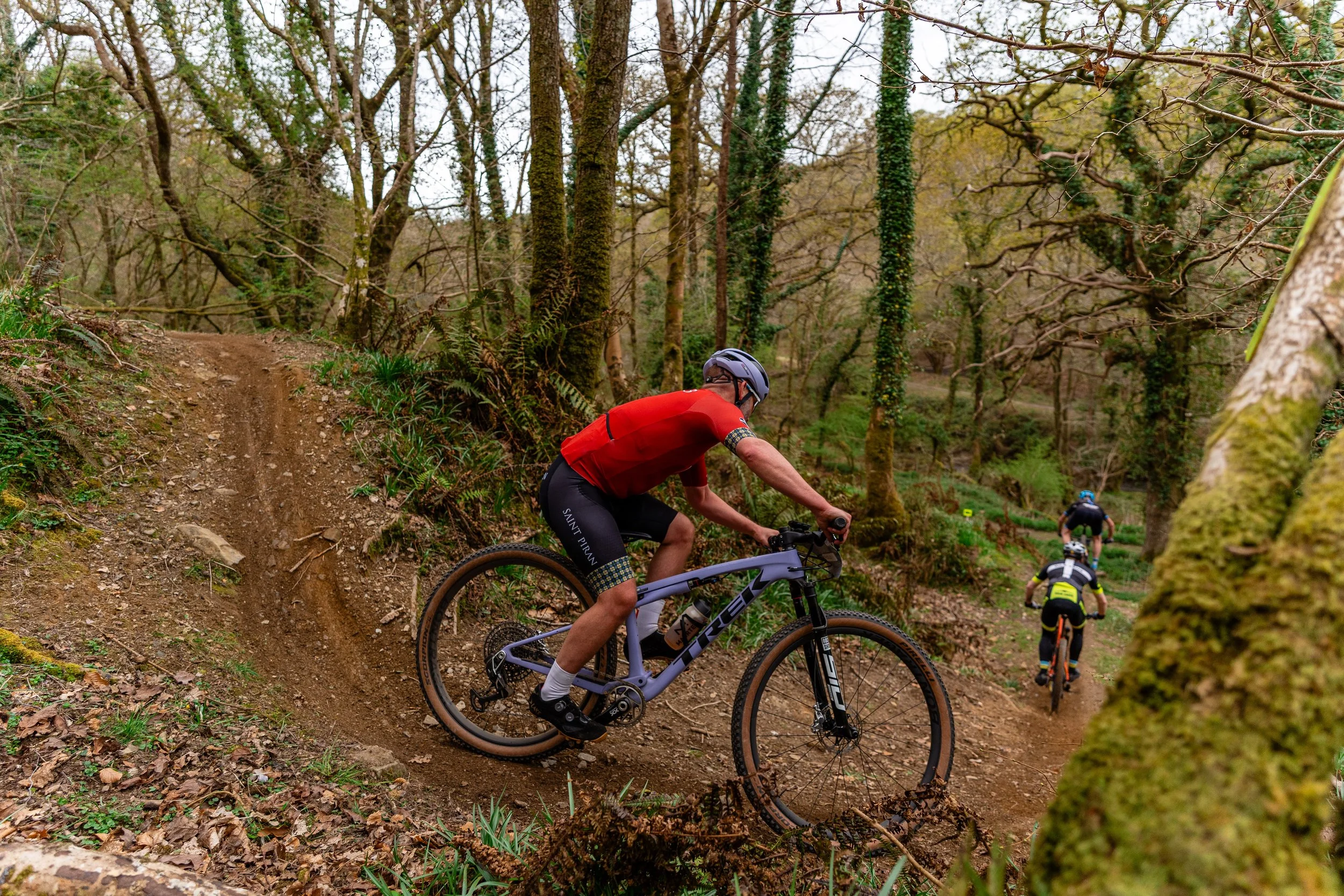
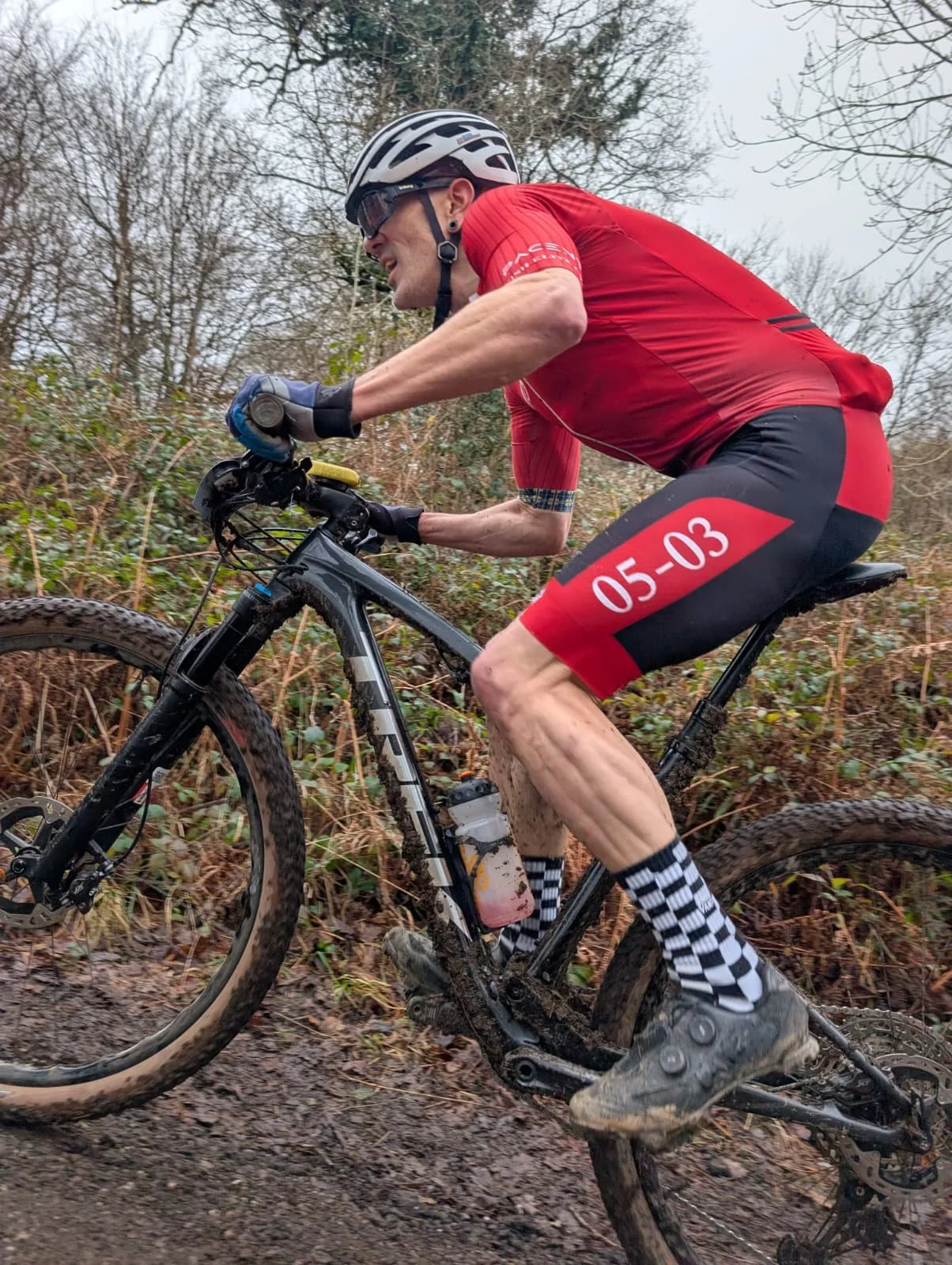
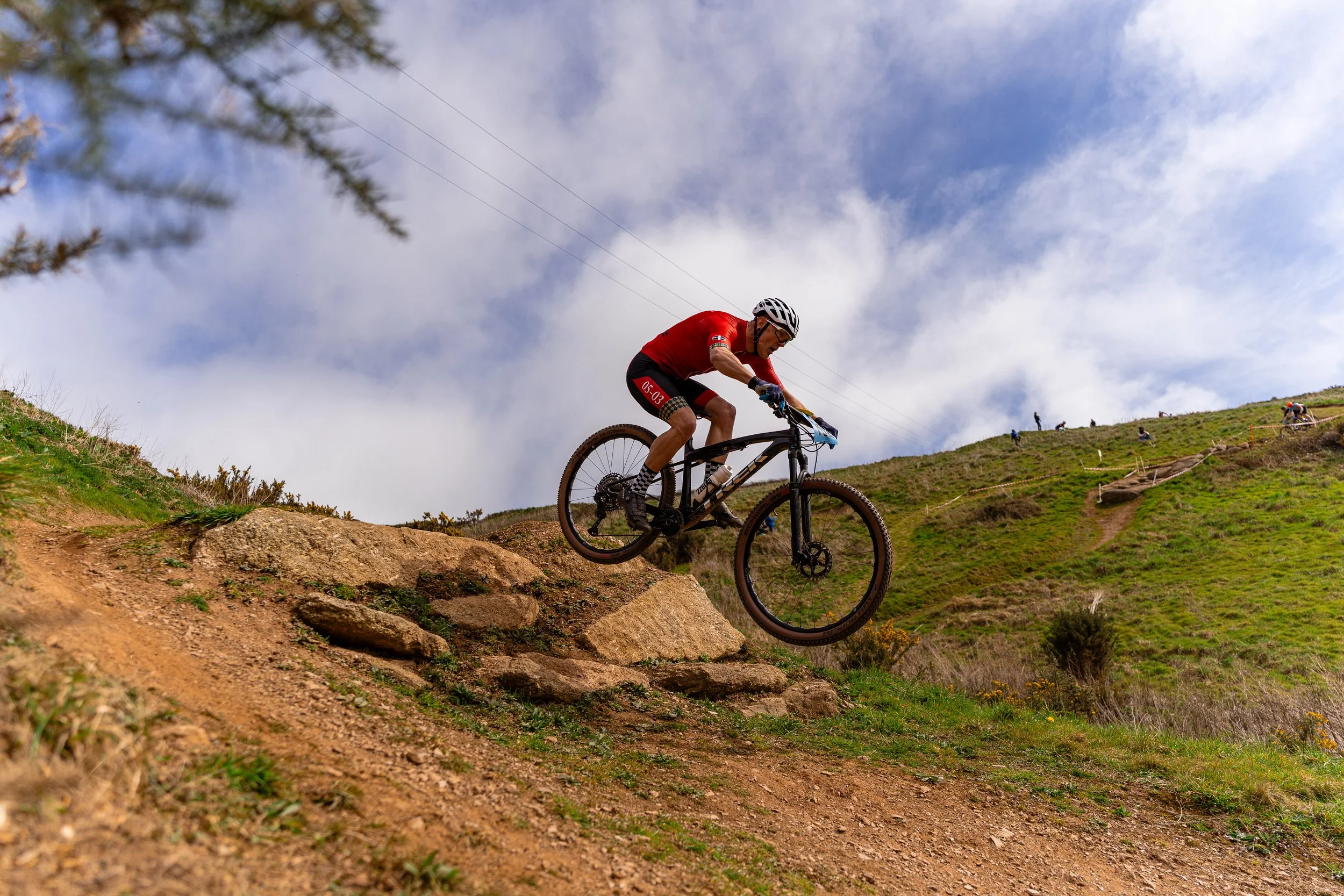
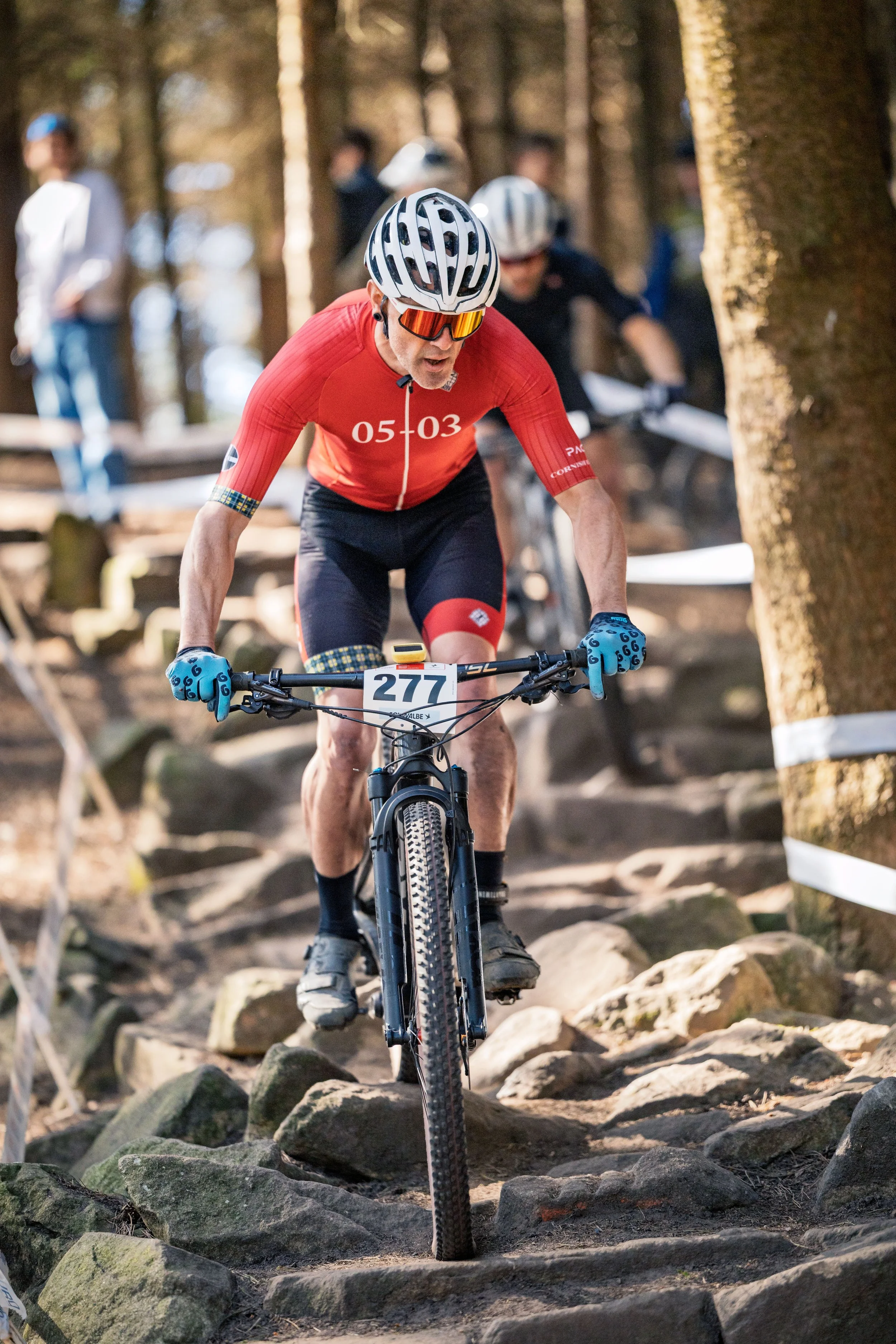
All three team riders found themselves riding familiar technical sections faster, or taking on things they’d previously ridden past and dismissed as being too scary, or too challenging for their older bikes. For Will Hutchins, “this meant being able to ride all the A-Lines at the Lloyds Nations Series instead of having to take the B-Lines and lose time against the top end competitors. I still wasn’t winning, but I was a lot more competitive”. It also reduced his average lap time on local XCO races and regularly got him on the podium in both Southwest Leagues - turns out you can buy speed.
All three riders were on different models; the same frame (and the same frame as Evie is on) but with different levels of drive train or suspension. Tim rides with SRAM AXS electronic shifting while Will rides traditional mechanical Shimano shifting (because he tends to have a lot of high speed ‘sit-downs’ and breaks kit too often). He also races in some remote locations and mechanical spares are easier to find in out-of-the-way bike shops.
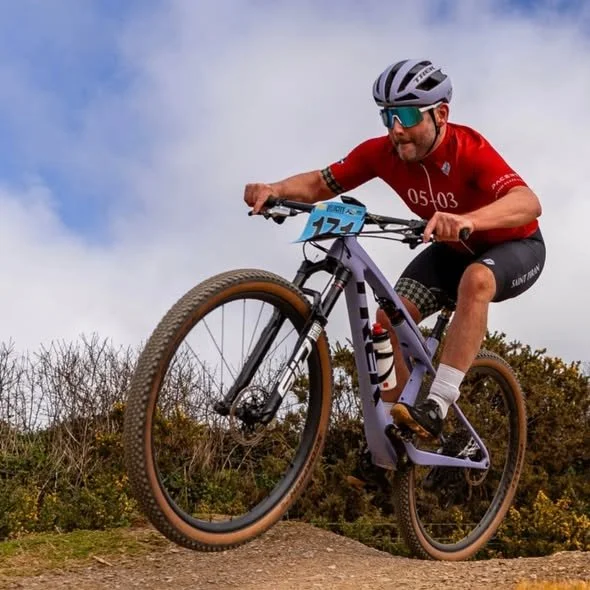
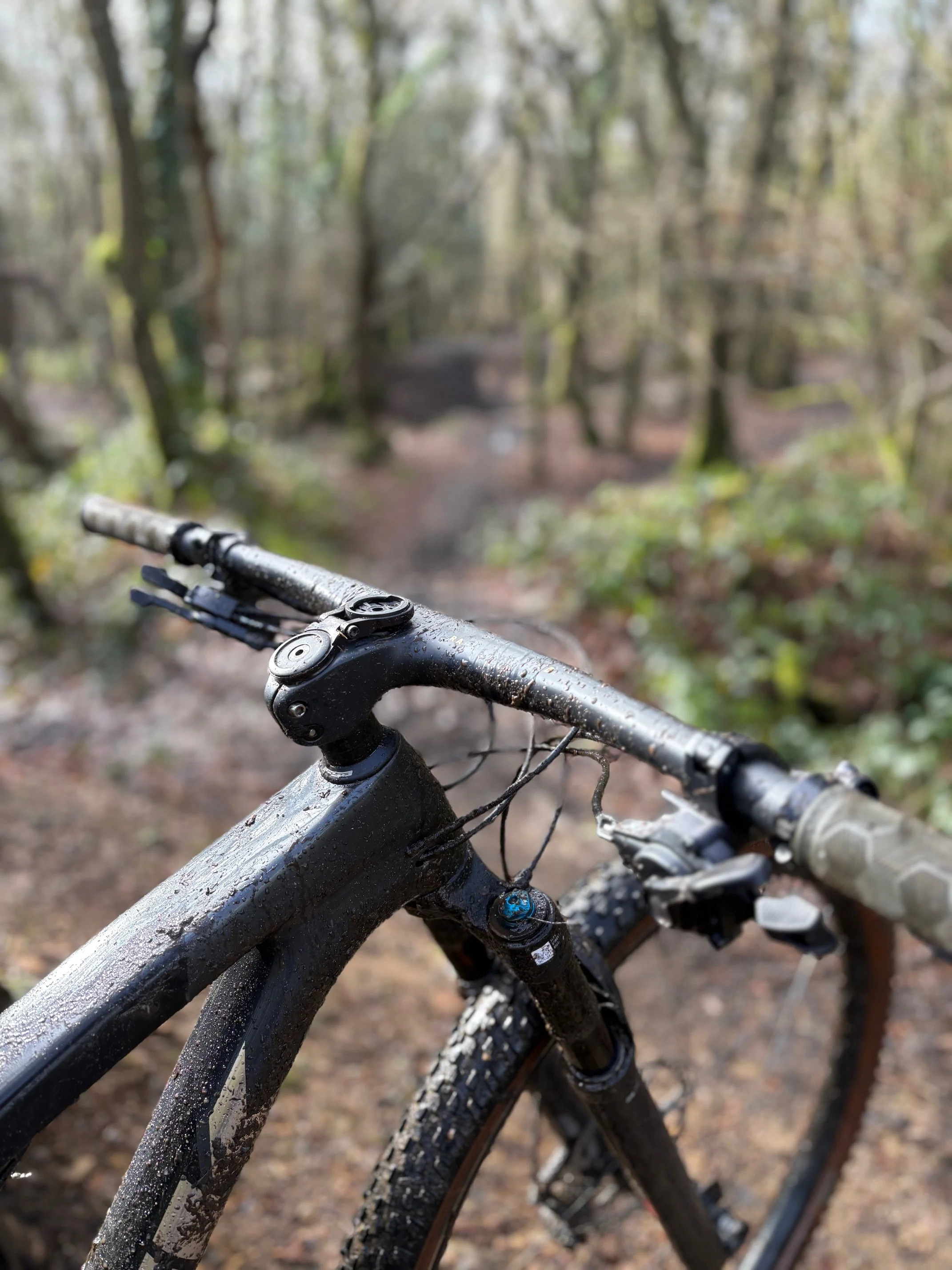
Trek Procaliber 9.8
Whether it's the lung busting climbs of a local SW-XC race or those long, technical Sunday miles, this machine has been the backbone of my recent seasons.
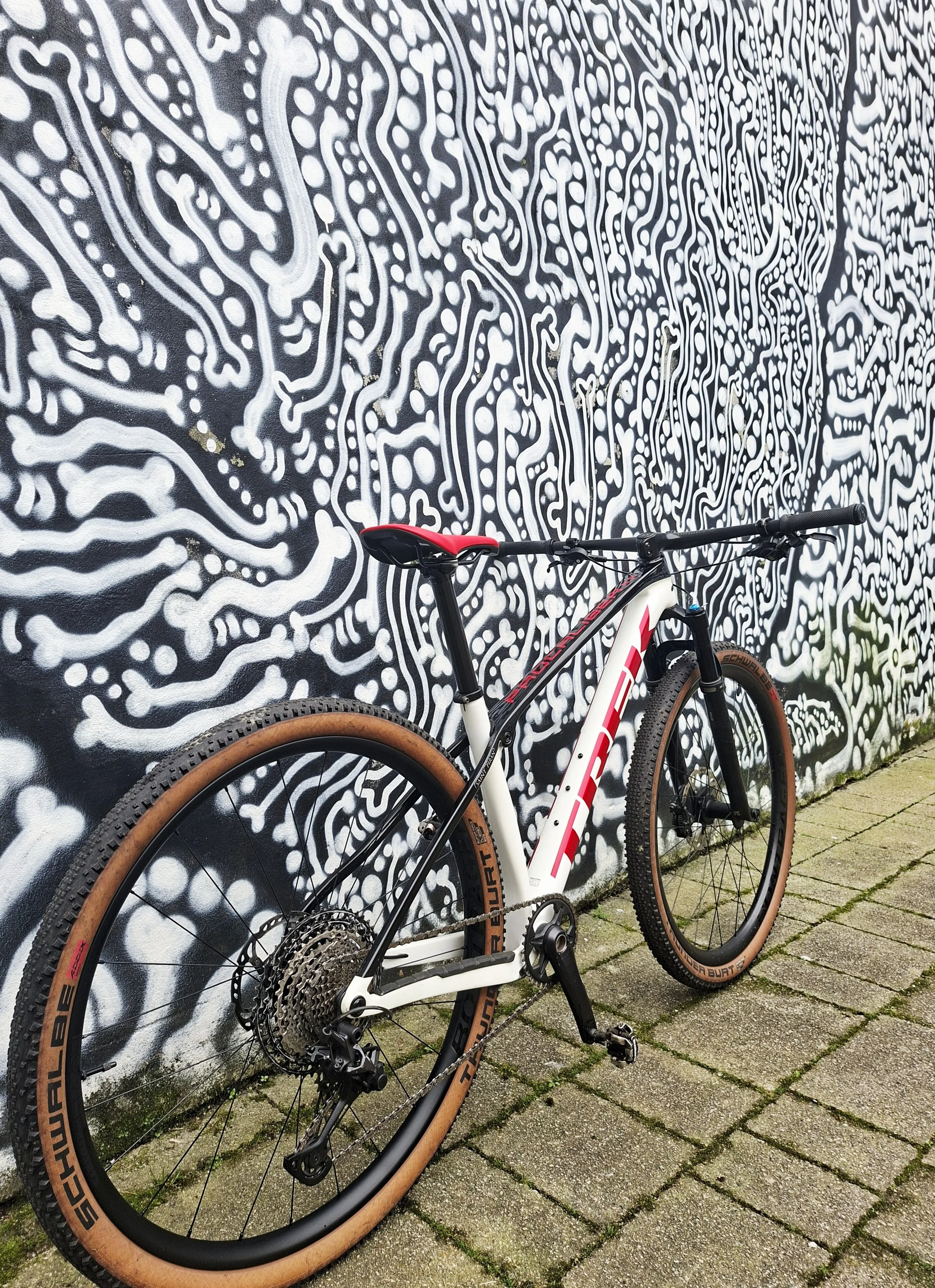
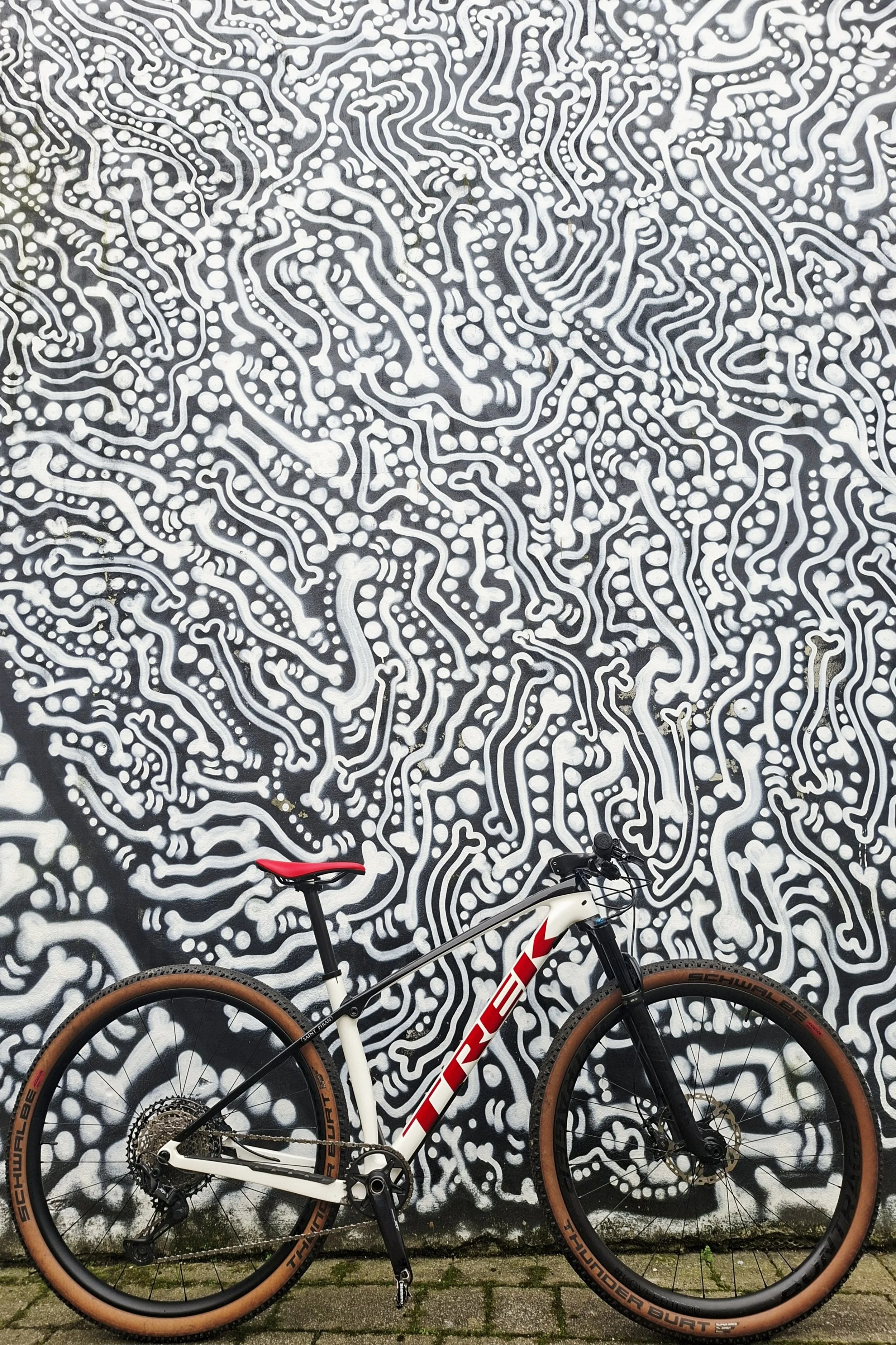
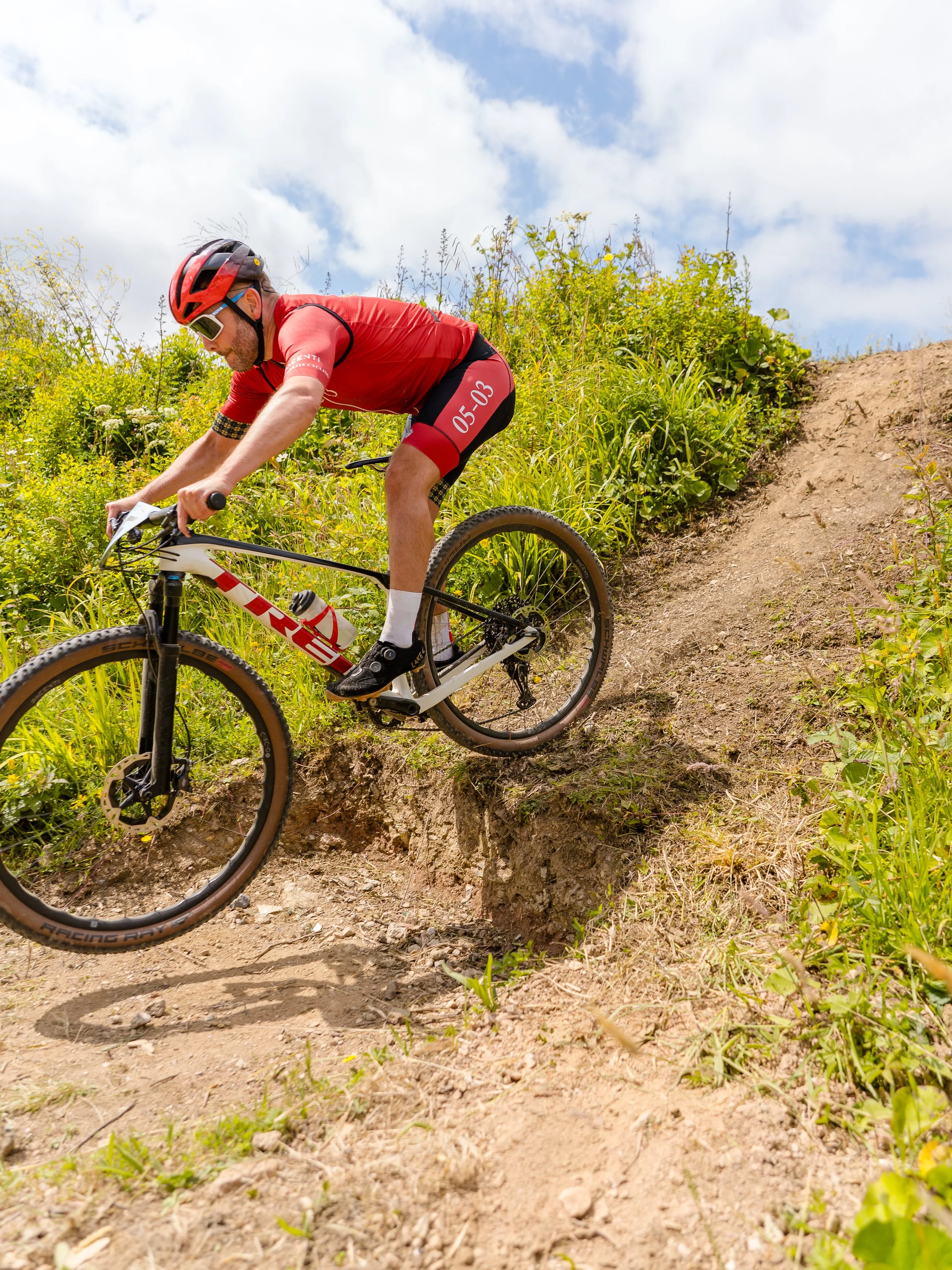
After hundreds of miles in the saddle, here is why this "hardtail with a twist" remains one of the most capable XC weapons on the trail - The IsoSpeed Advantage
In a world of full-suspension "super-bikes," the Procaliber holds its ground by offering a middle path. The decoupler allows the seat tube to flex independently from the top tube-to-seatstay junction. On the trail, this translates to a noticeable smoothing of "trail chatter" that high-frequency vibration from roots and stutter bumps that usually beats you up over a two-hour race.
It’s not a full-squish, but it provides just enough compliance to keep me fresh for a sprint without losing the razor-sharp power transfer of a traditional hardtail. Trek updated the geometry for the 2021 model, making it slacker and longer. This was a game changer for the technical descents found on local Cornish trails. It feels significantly more stable at speed than the twitchy XC bikes of old.
Weight is, of course, where this bike shines. Built with Trek’s OCLV Mountain Carbon, the frame is incredibly light yet robust enough to handle the occasional "oops" moment. My build features the Bontrager Kovee Elite 30 carbon wheels. Their wide internal rim width allows me to run lower pressures .
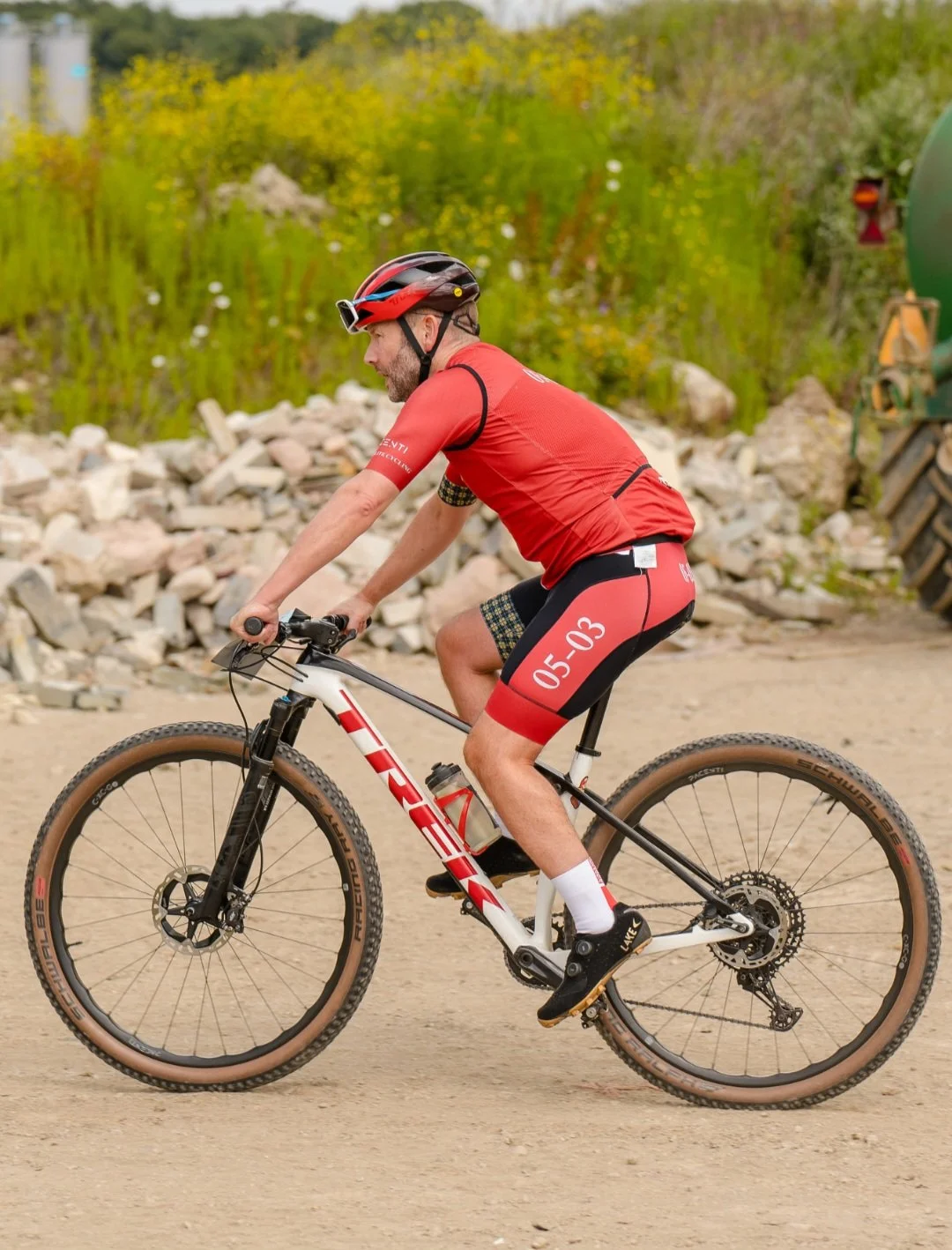
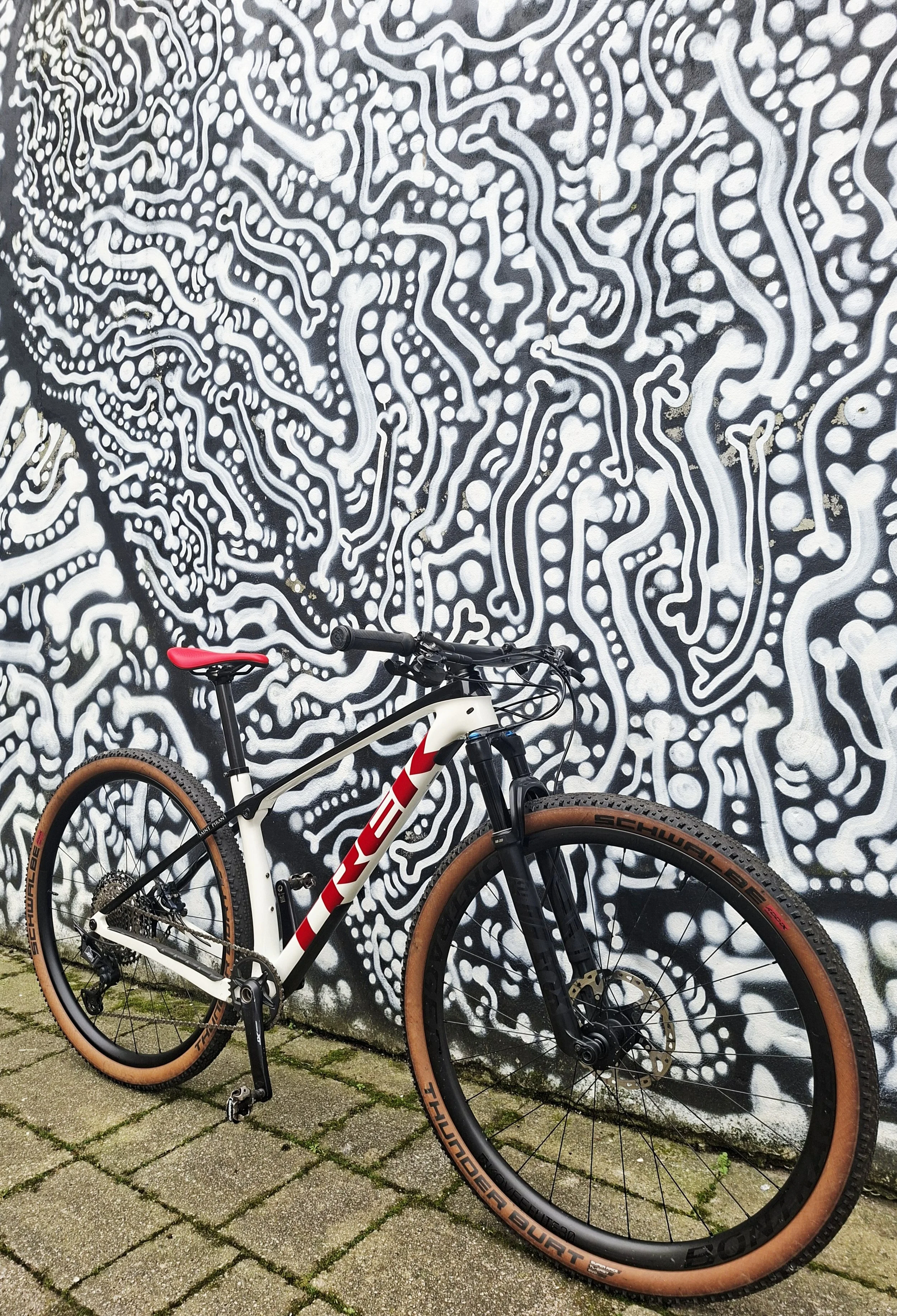
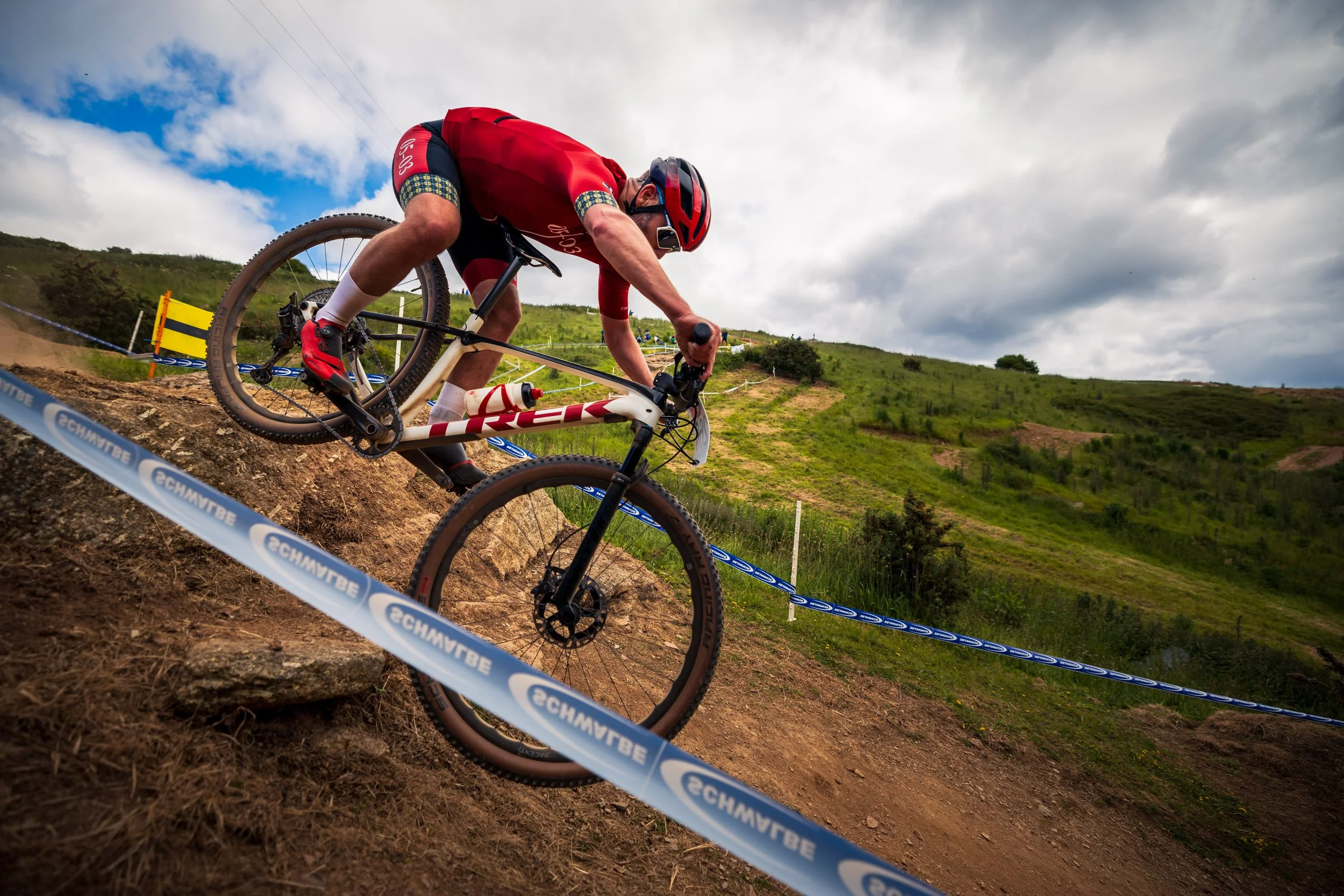
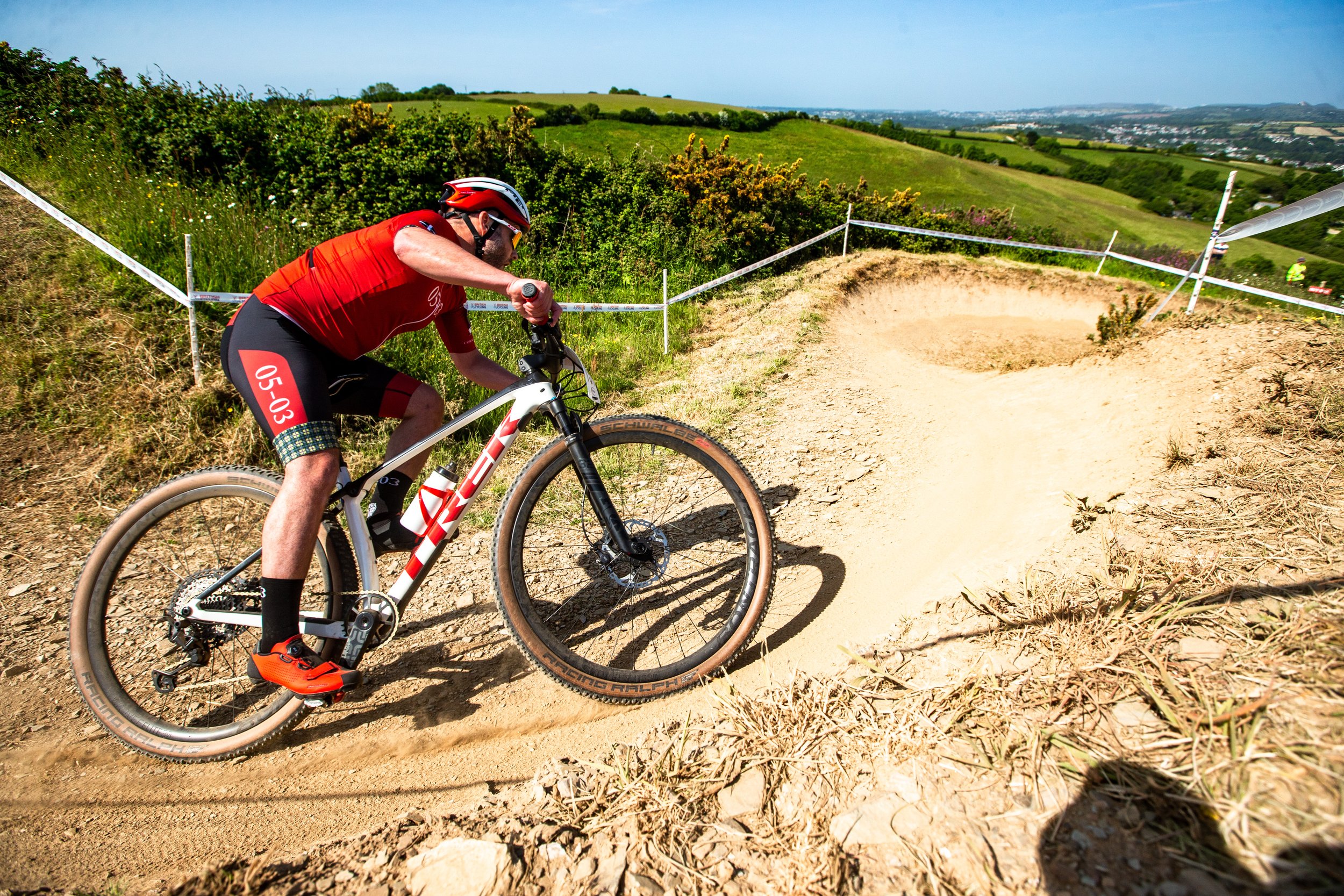
The 9.8 spec is the "sweet spot" for serious racers. The Shimano XT 12-speed drivetrain has been flawless.
Up front, the Fox Performance 32 Step-Cast fork with 100mm of travel handles the hits. The remote lockout is a feature I use constantly flicking it closed for fire-road climbs and open for the singletrack. It’s a simple mechanical tactile feel that becomes second nature after the first five minutes of a ride.
The Trek Procaliber 9.8 isn't just for the weight-weenies; it’s for the rider who wants a bike that rewards effort. It climbs like a mountain goat and descends with composure. This bike wants to go fast, and more importantly, it makes you want to go fast.
If you’re looking for a podium-ready XC rig the Procaliber 9.8 is still a gold standard.
This ex team Bike is now available in the Saint Piran store in the Buttermarket in Redruth..