
Winter ride rethink
The UK has already had two named storms so I think I’m going to have to admit defeat and accept that winter has arrived. Even if you have a trip to the winter-sun planned you’re still going to have to prepare for the next few soggy months. It’s going to be grim, but it doesn’t have to be unbearable if you think ahead and prepare. Winter isn’t the off-season any more, not even for the roadies, so unless you want to spend from now until the last of the Spring Classics sweating in the shednasium then you need to rethink you riding and reset your brain.
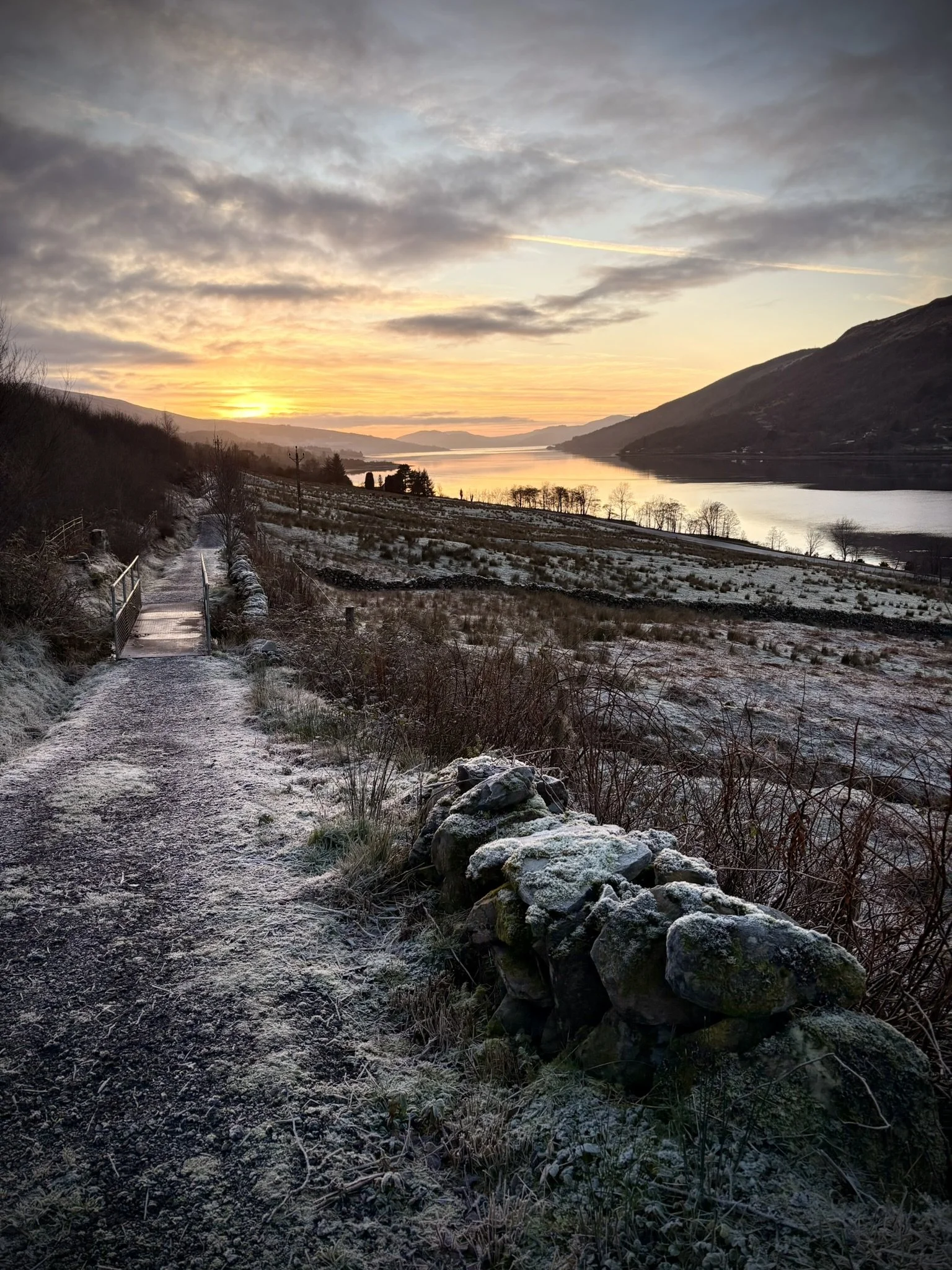
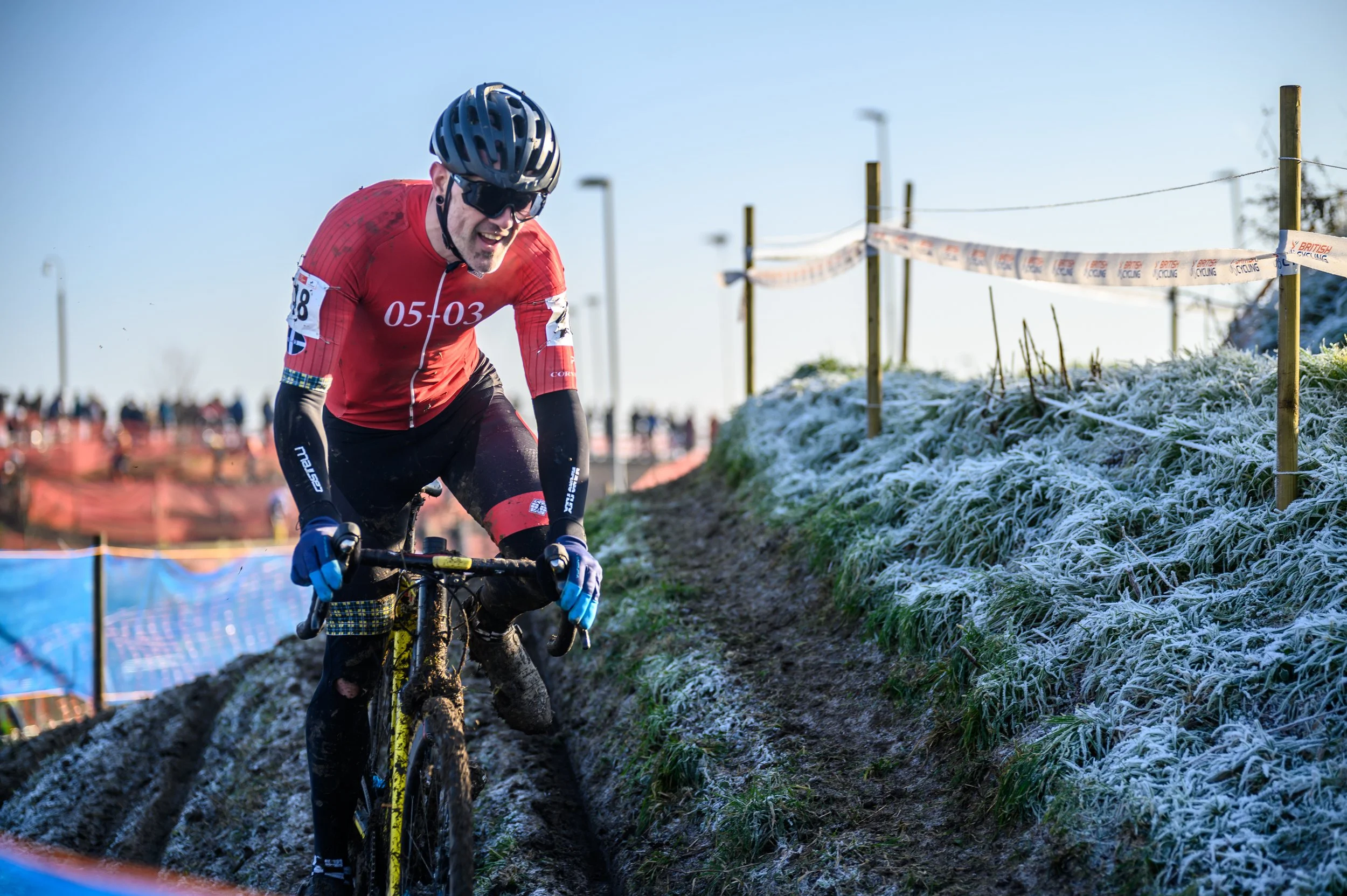
Check the forecast
· If you have the flexibility and can avoid the worst of it then time your ride for the better weather.
· If you can’t avoid it because it’s your commute or you don’t have the flexibility in your schedule, then at least you can be mentally prepared and appropriately dressed.
· I like the various weather apps that have a rain radar; they don’t look far ahead, maybe only 1 to 2 hours, but that’s often enough to see if you’re in for a wet or dry training session.
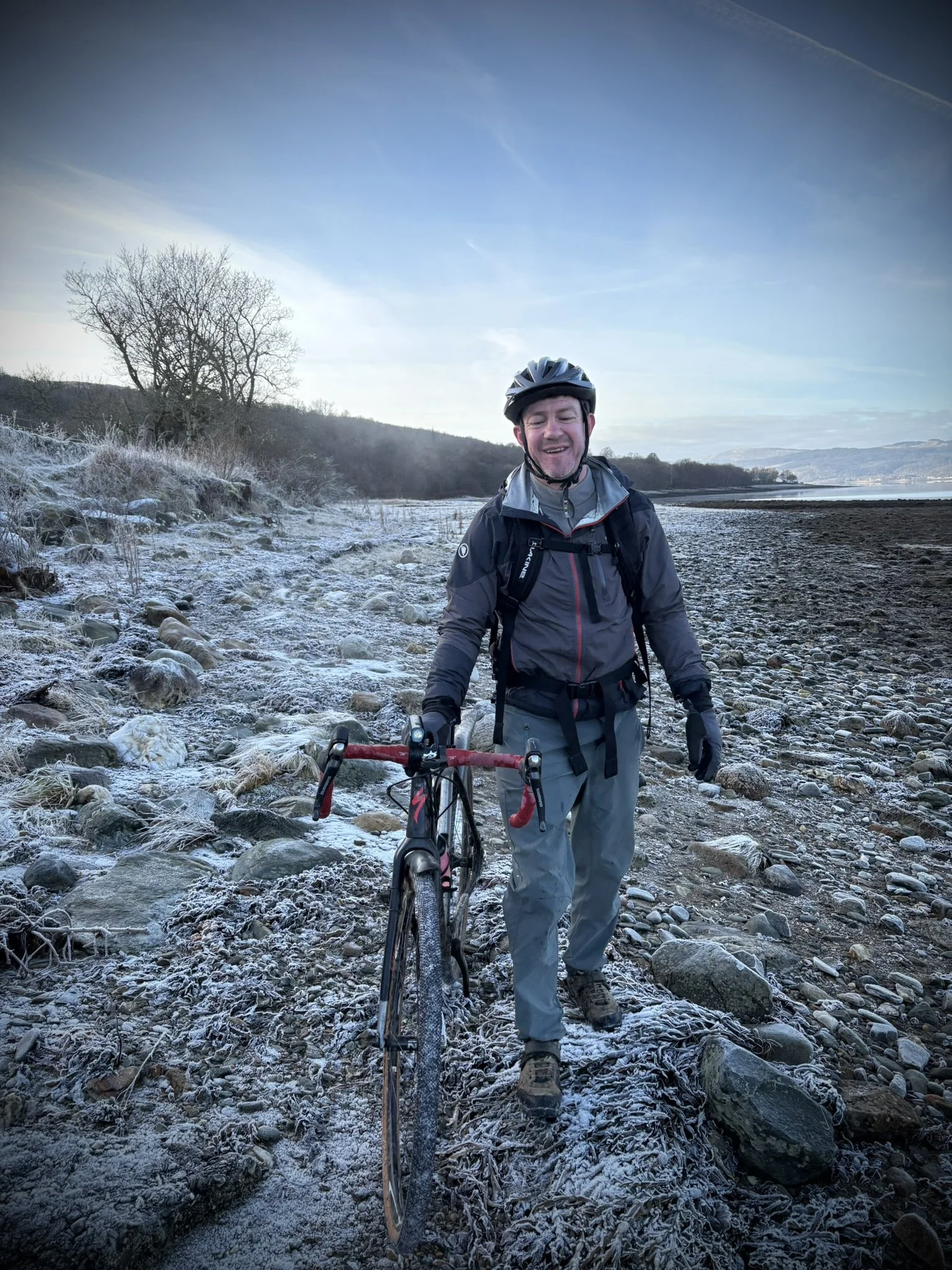
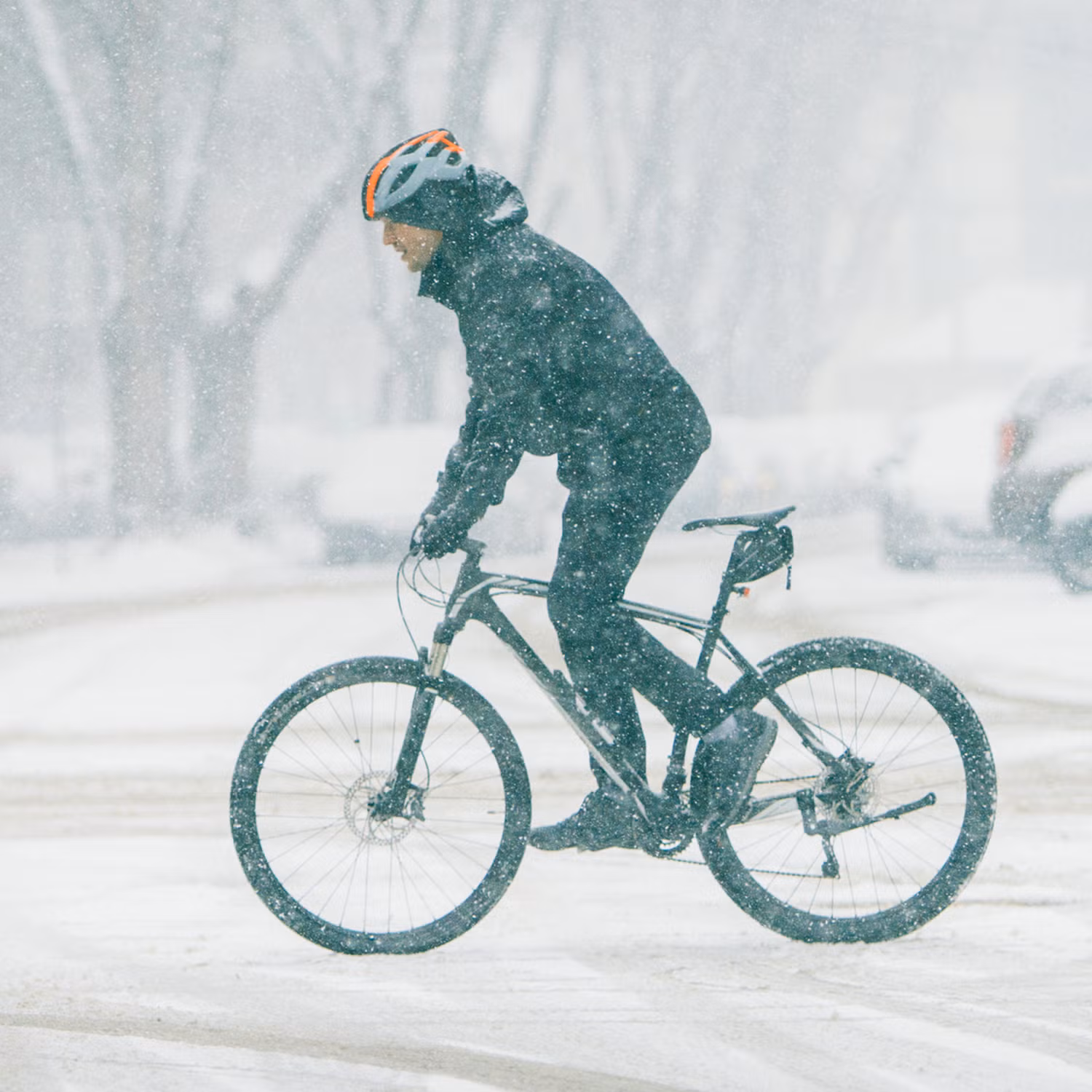
Winterise yourself
You know the quote, “there is no such thing as bad weather, just…..”, and cycling clothing manufacturers are more than ready to expand your wardrobe.
· Feet – Shoe covers, at least wind proof, but preferably waterproof, and thermal if it’s really cold.
· Legs – bib-longs or leg warmers, and some now have wind/waterproof fabric on the shin fronts and backside. A higher waist is also nice if you can find them.
· Torso – lots of thinner layers is better than a couple of thick ones. The inner layers want to be wicking, the outer layers need to be breathable and vented (side zips etc).
· Head – Thermal or windproof layers are great and even better if they cover your ears. Heads get sweaty, so breathable headgear is great otherwise they become more of a hindrance than a help.
· If it’s super cold, think ski conditions, then the snood type face mask can protect your lungs if you a breathing heavily. It might feel uncomfortable to breathe through, but better than sucking in a lot of cold air.
· Hands – Get gloves that fit, if they are too tight, or too big then they really don’t work well. Windproof is often better than pure warmth and multiple thin layers is better than one giant boxing glove. Experiment and see what works for you and your typical conditions – cycling in +5 degrees and wet is very different to -5 and dry.
· ‘Ski’ conditions can be bright, and low winter light reflected off wet roads will reflect into your eyes, so even though it’s the winter, you might want ‘sun’ glasses. If it’s UK grim then clear lenses are a good buy. Whatever lens you choose, they both offer wind and rain protection for your eyes.
· Fuel and hydrate – It’s still possible to dehydrate on a cold, low exertion day, and keep eating. Fuel isn’t just for your legs, it’s for your central heating too. You might not need it for an easy ride, but it also keeps your core temperature up.
Fashion aside, as much of this as possible should be high-viz, reflective or at least bright -Winter is not the time for black, Italian chic!
Winterise your bike
· Clean and lube after every ride, especially if its wet and muddy or if your riding in the wet after the gritters were out the night before, all that salt spray will wreck your bike.
· Get a full winter check up on the bike, either yourself or your LBC.
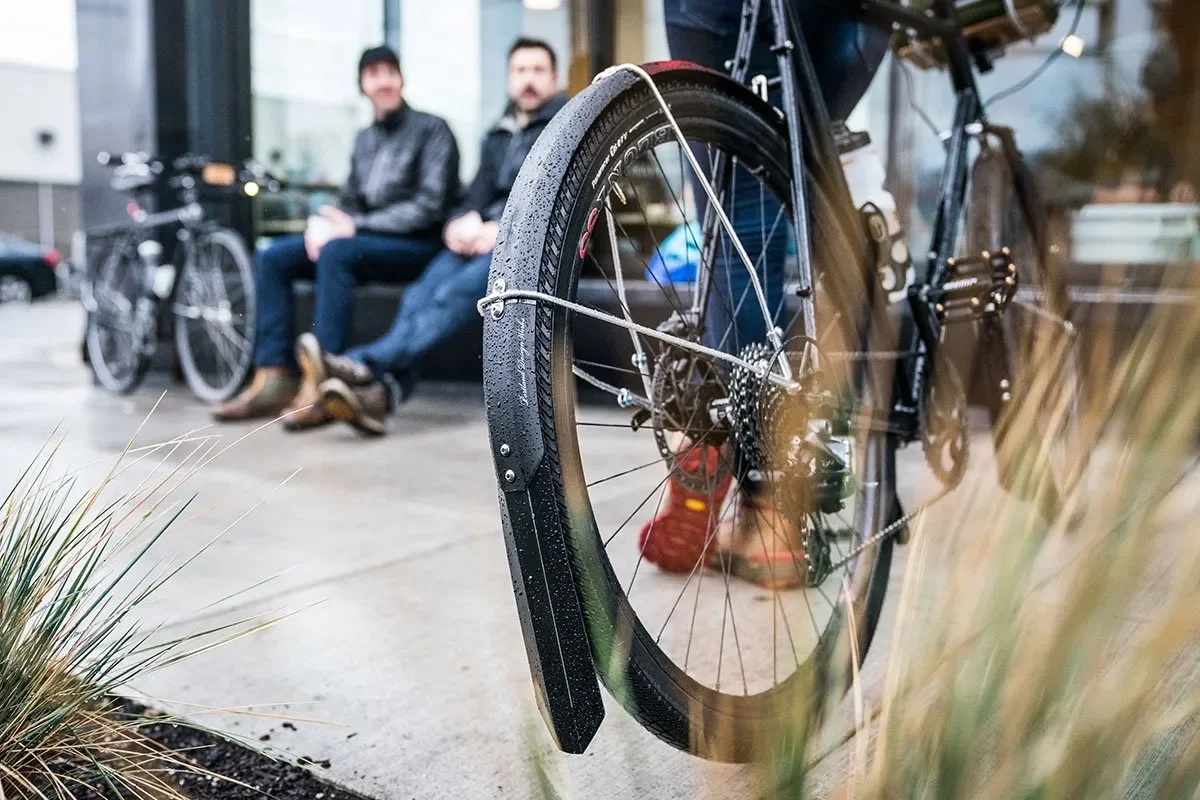
· Mudguards – great to keep you dry, brilliant (and often compulsory) for club rides and anybody on your wheel.
· Thermal bottles or windproof wraps – these keep your drinks warmer for longer or stop the wind-chill freezing your bottle. Camelbaks can also be an option.
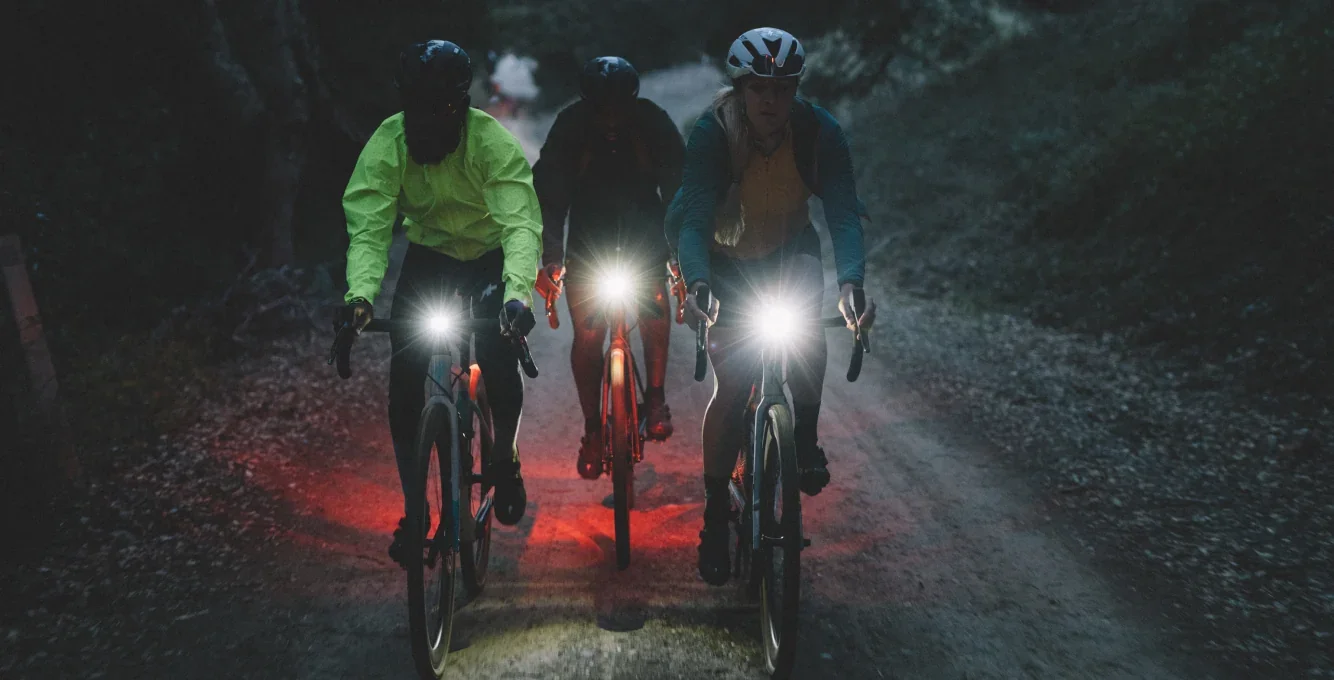
· Lights, lights and more lights. High-viz clothing is great, but it’s only useful to drivers at short range; lights let you see, but more importantly they let you be seen. Flashing works better than static but check their alignment and keep them out of drivers eyes.
· You don’t necessarily need high grip tyres if you’re on the roads, but summer racing slicks pumped up to race pressure won’t help your grip. Drop the pressure a bit to increase the size of the contact patch, or go wider and grippier (they’ll also be more comfortable). Not a consideration in Cornwall, unless you go looking for it, but fatter tyres work best in the snow, thinner ones work in slush because they cut through to the tarmac underneath but you will need so sort of tread to stop you aqua-planning.
Winterise your routes
· If the weather is changeable then pick a route with multiple bail-out points; if you need to cut the route short than planning for it is important.
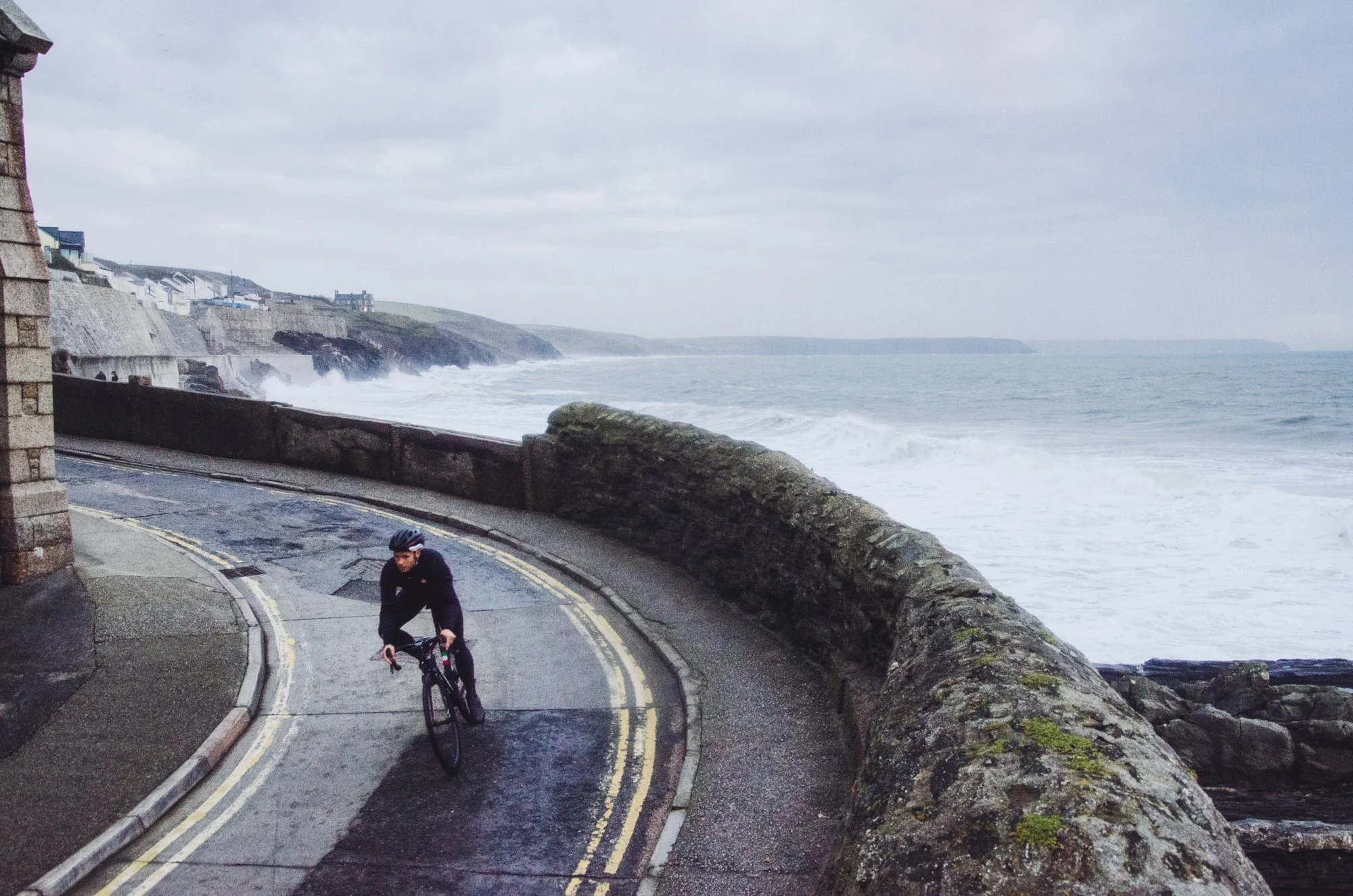
· Think about the wind, if you can avoid a long slog into a headwind by careful route planning, then do. Valleys funnel the wind, trees and hills offer wind shadows, but if it’s super windy than think about avoiding routes that risk falling trees.
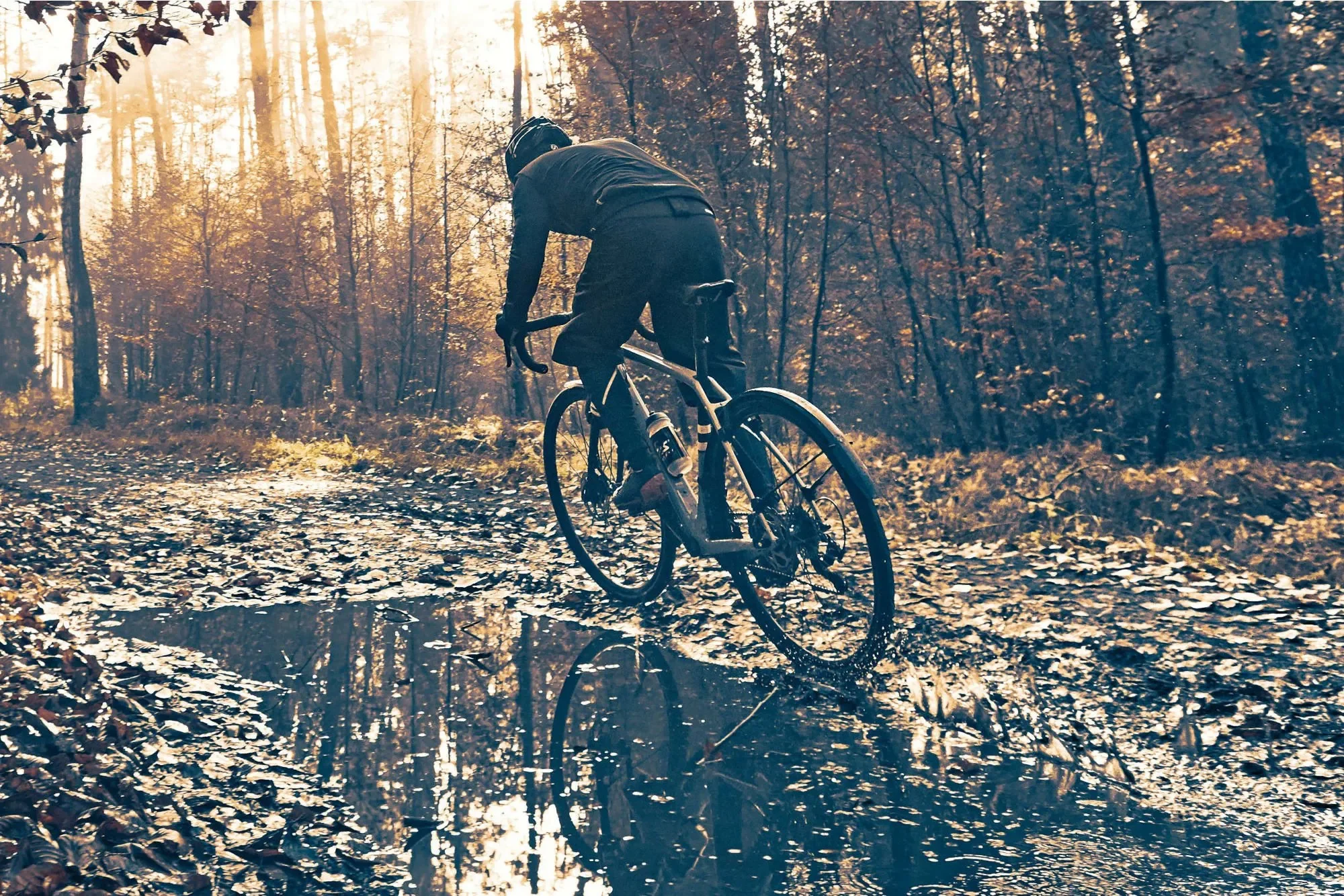
· An MTB or gravel ride in the woods can be nicer than a gusty road ride but many of the Forest Centres shut on high wind days.
· Stop-over routes can be fun for the winter with the shorter days – ride out, stay overnight and ride back tomorrow. What might have felt like a half-ride in the long summer days becomes a winter adventure.
· Stay out of the verges – hugging the edge of the road might feel safer but in the winter that’s where all the debris and mud ends up. The shallow puddles also hide drain covers and potholes.
Think about the pace or exertion levels
Winter, for roadies at least, used to be about base miles. Drop the exertion, either drop the pace or reduce the hills. This should help reduce the cooling from sweating and allow you to maintain a more constant temperature. Intervals are certainly bad on long rides.
CX and XC racers don’t have so much of an option, this is race or pre-season, so training is still high intensity. Try and finish the efforts close to home so there isn’t a long cool-down ride home where you’re going to get overly cold.
On a related note, Long, luxurious coffee stops are great in the summer but suck your body heat in the cold. Get in, get your coffee and go, unless you’re hypothermic, then warm back up and take your pre-planned bail-out route.
Winter doesn’t have to mark the end of your serious riding, just the start of some more serious pre-ride thinking. The next two months are ideal for working out what you might need to survive this winter; start putting together a list of kit for that inevitable “what do you want for Christmas” question. Your local bike shop can help with all things clothing and equipment related and particularly for the clothes, a good fit is vital.