
Food and Cycling - The importance of Hydration
The UK’s climate, love it or hate it, is never dull, and never predictable. It was only a few months ago the news was all about overflowing rivers and flooded homes. Now, it’s record-breaking temperatures, burning moorland and hosepipe bands. Where did all that water go? Given that British gardens now look like the grass on the last day of Wimbledon, this article maybe a few weeks late, or maybe it’s just in time for a long hot summer, or that trip to the Alps.
As the CamelBak advert used to say – ‘Hydrate or Die’. More of a threat than an advertising campaign but it worked, and it’s certainly true this time of year. The adult human body is approximately 60% water, and we need it to regulate body temperature, aid digestion and proper kidney function, and our brains need it to function properly. We’ve probably all heard or read that a 2% drop in hydration affects performance. Scientific papers are now showing this is less a fixed threshold, but it’s still a pretty small drop that causes issues. So without enough water in our bodies we can even function properly, let alone expect to run, ride or race well.
Well recognised signs of dehydration include:
Thirst.
Dark Urine.
Dry or paper-thin skin.
Fatigue and dizziness.
Headaches.
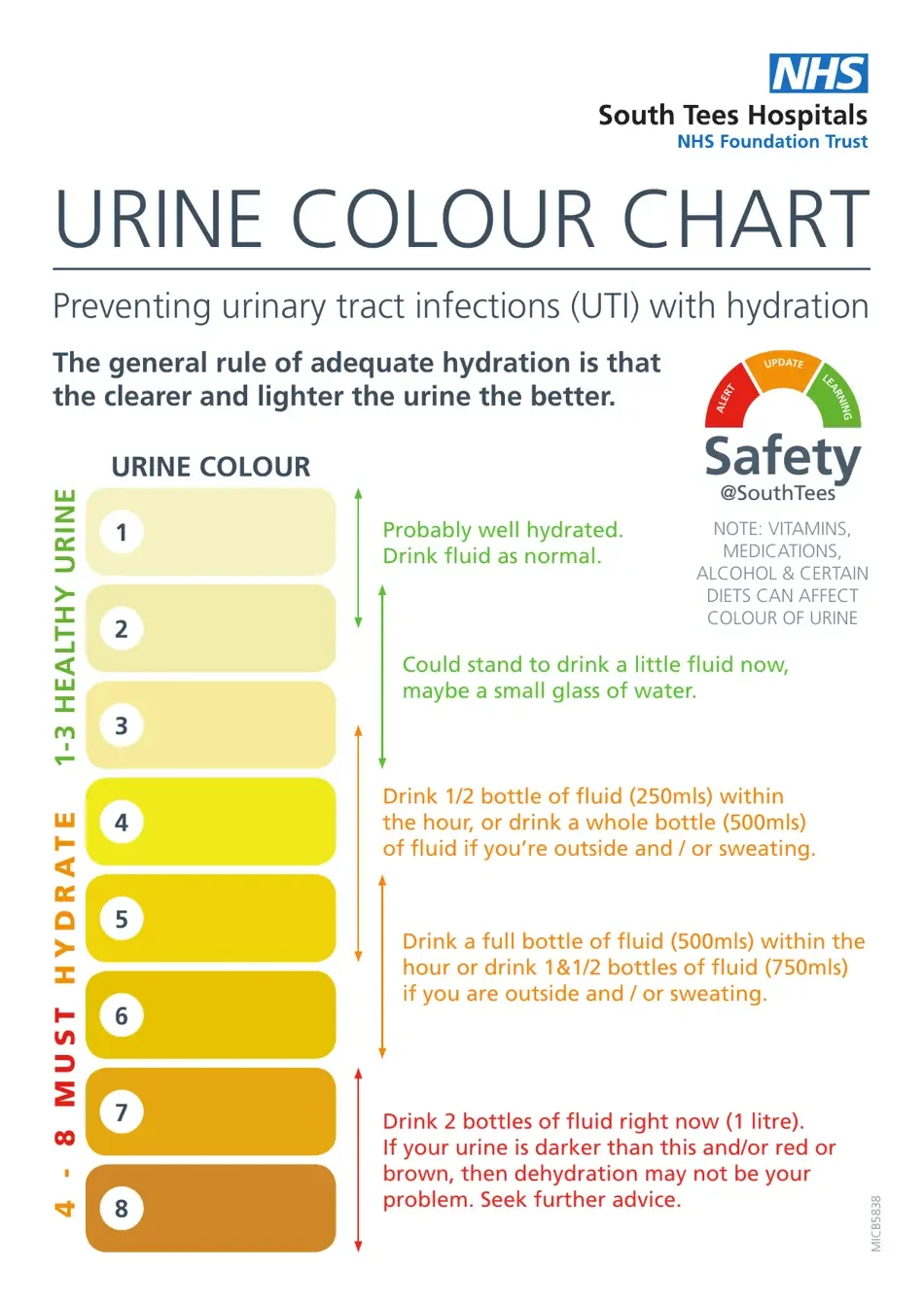
Thirst is an easy, and early indicator. Most sports science papers and general coaching advice say ‘drink to your thirst’, realistically, drink when you are thirsty rather than sticking to a pre-defined schedule like a mouthful every interval, or 20 minutes etc. Urine colour is also an easy marker. I’ve been to races where the organisers placed urine colour charts in all the race toilets to give you a guide pre and post-race; fun, and mildly disconcerting given some of the colour options towards the bottom of the scale. But be measured in your approach, the body can only absorb a certain amount of water in a given time (typically 0.8-1.0l per hour), the rest flushes through, so if you drink above that level then expect to be heading to the bathroom. You can overload with water too (causing hyponatremia), you’ll get very pale urine and dilute your bodies electrolytes: this has killed a number of amateur marathon runners who thought they were doing the right thing by pre-loading with water. Testing also found 10% of competitors at an Ironman event were hyponatraemic, and potentially running (literally) into trouble.
Ok, that last bit sounds scary, but that’s drinking pure water and in reality, most of us, whether actively competing, training or even out on a coffee ride don’t drink pure water (side note – coffee does count towards your water intake). Most modern sports drinks have some electrolytes in them, along with all that sugar (in an increasingly bewildering number of formats and combinations), so you’ll also be topping up your Chloride, Sodium, Potassium, Magnesium and possibly some others. Getting a sports drink with energy and electrolytes helps water absorption too. Taken from the Torq Nutrition website, “For every single glucose molecule (and 2 sodium molecules) that is absorbed, 260 water molecules are moved with it”.
If you don’t want fuel, you just want to hydrate during a spin class or a Zwift session, or just throughout a hot day then there are a number of Hydration drinks (electrolytes only, no carbs) available. These focus on supplying the various electrolytes and increasing water absorption, rather than energy supply. Most are designed for the ‘average’ user in ‘average’ environmental conditions and are great much of the time – drop a tablet in your water bottle, let it fizz and away you go. Not everybody is ‘average’ or riding on a mild day in the UK and there are more specialist products on the market. The first thing to do is find out if you’re average, if you sweat a lot and if that sweat is salty. You can have tests done in a lab or with a home kit, or you can estimate your sweat level and its salinity. Sweat rate is relatively easy: weigh yourself before and after exercise, account for any drinks during the session and the difference is your sweat rate (Links to protocol below). Sweat salinity can be can be estimated by observations; none are stand-alone indicators but the more you tick off, the higher you are likely to be on the salty sweat scale.
Salt marks on clothes or skin.
Sweat tastes salty, burns on grazed skin or stings your eyes.
Dizziness or head rushes when standing after exercise.
Prone to muscle cramps after long or hot sessions.
You feel worse than your friends or underperform during hot sessions
You crave salty foods during and after exercise.
If this is you, or if you’re planning a ride or event in conditions outside your norm then you might want to look for higher sodium or electrolyte load products like those from Precision Fuel & Hydration or OTE Super Hydro. I’ve used both, the OTE more recently (Saint Piran Service Course are an OTE outlet), and they are surprisingly palatable, not like the older products that where like licking the rim of a Margarita (fun on a Friday night, less so at race pace on Sunday morning).
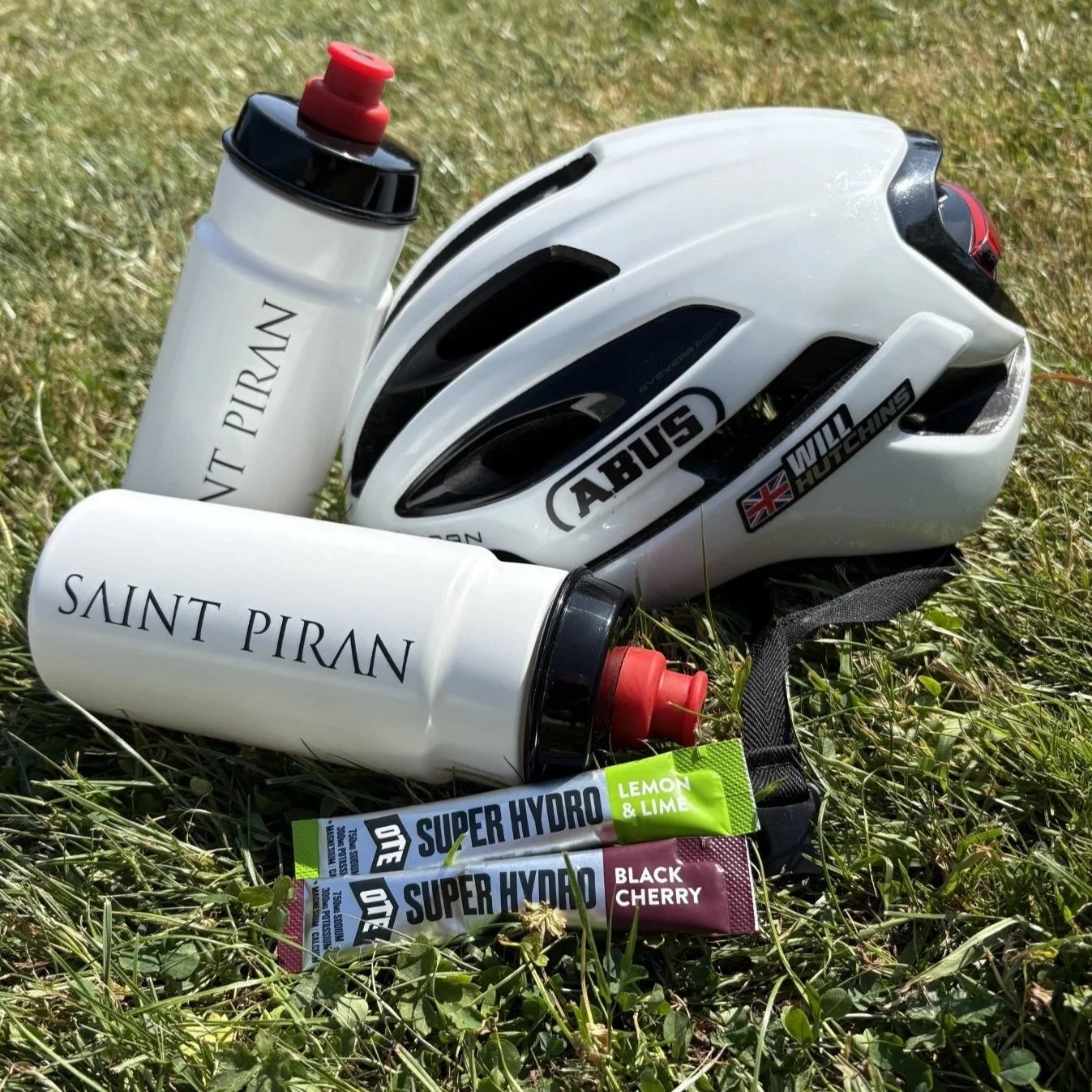
So have fun out there in our unseasonably hot and dry weather, but make sure you’re properly hydrated and have taken on enough essential electrolytes to keep yourself happy and healthy.
Useful Links:
How to START hydrated and why that's so important
How to measure your sweat rate
How to estimate how much sodium you lose in your sweat