Know your Clothing


After a very wet and cold MTB XC race I thought it was time for a Blog about choosing your clothing to suit the conditions. If you get it right you probably won’t notice, if you get it wrong then it can be race ending.
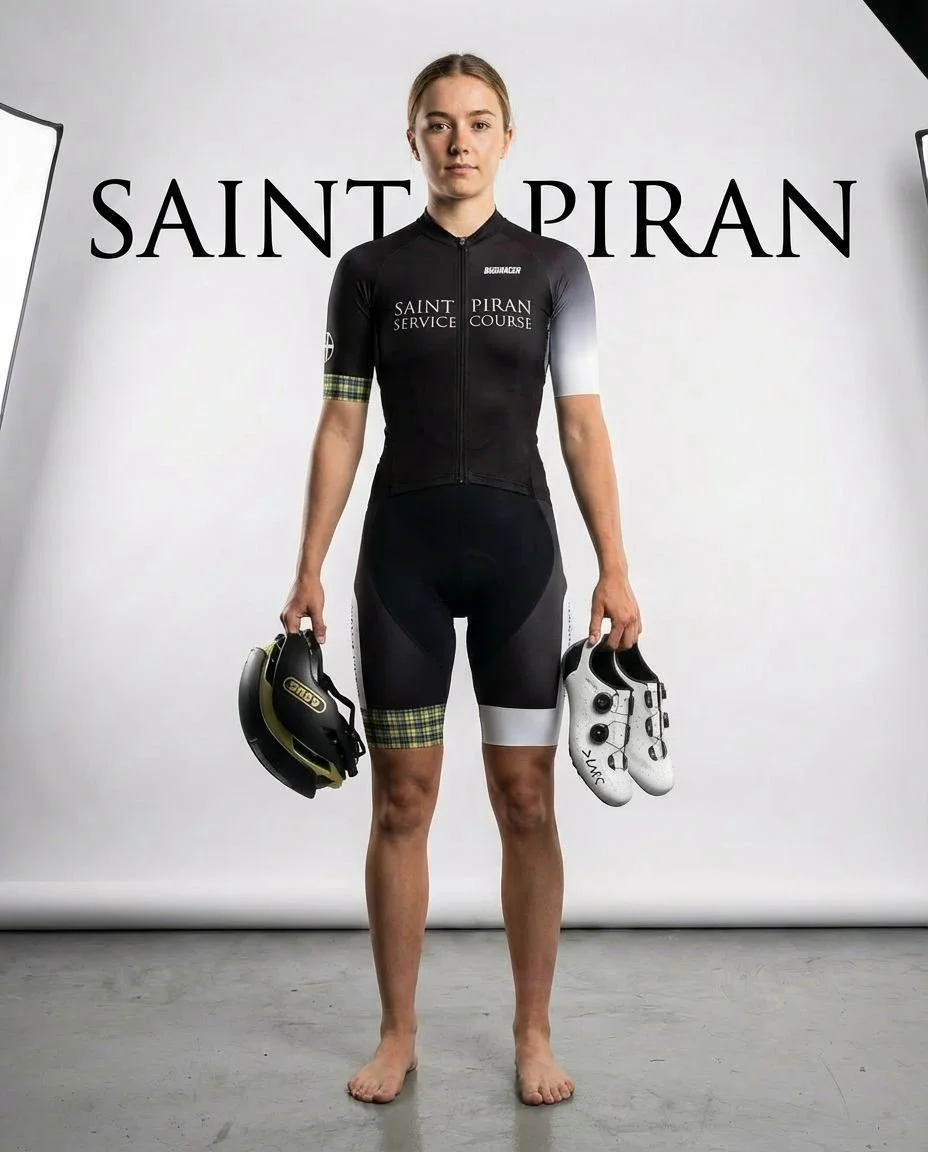
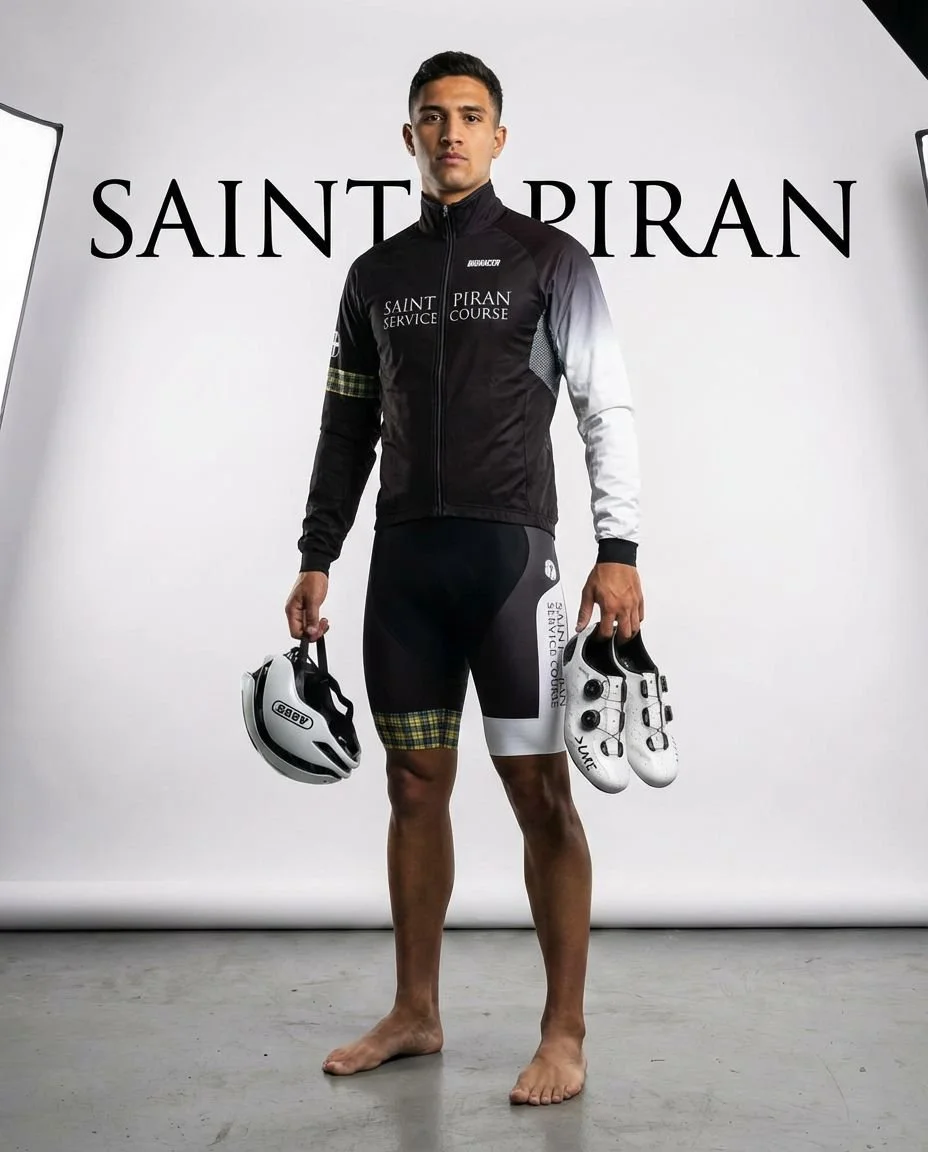
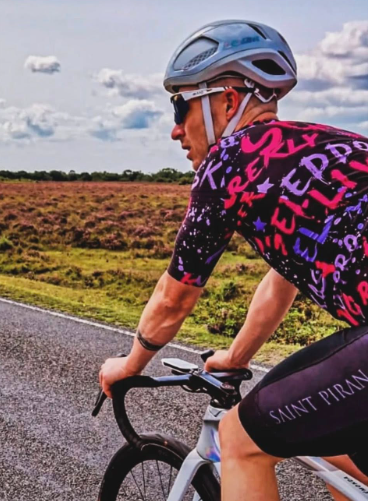
The Saint Piran Service course team ride in BioRacer kit, as did the Continental pro team. BioRacer are one of the most trusted names in elite cycling and triathlon apparel and share our passion for performance, durability, and rider-first design. Saint Piran Service Course also work with BioRacer to supply other major teams like the RAF triathlon team.

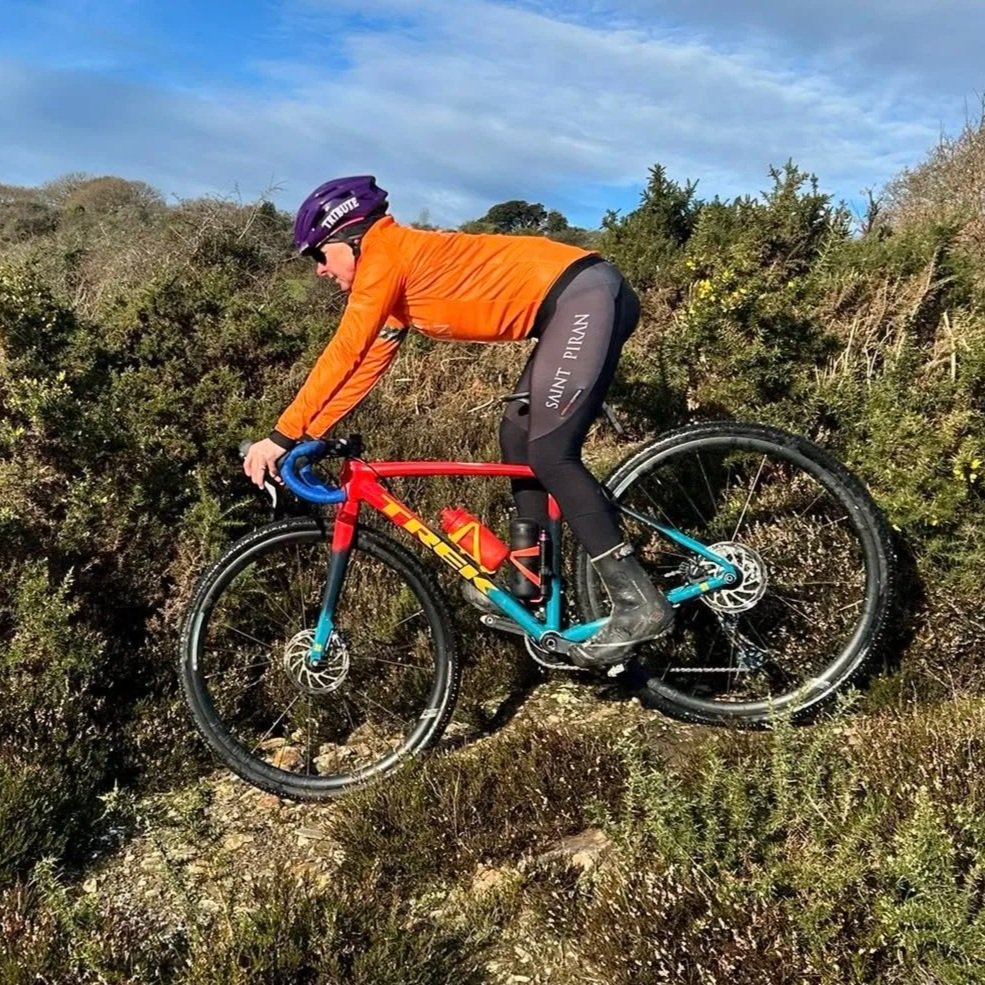
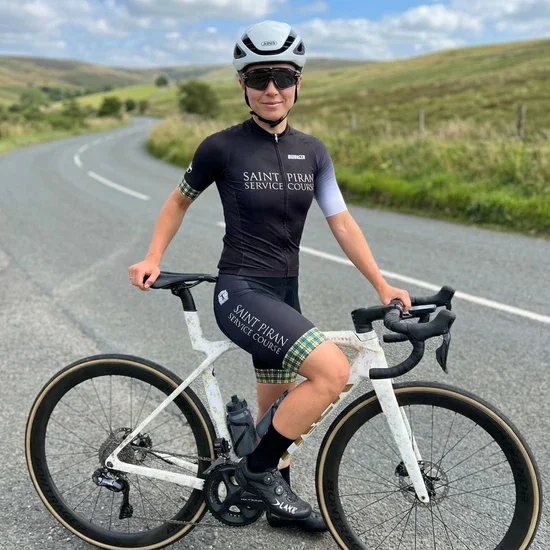
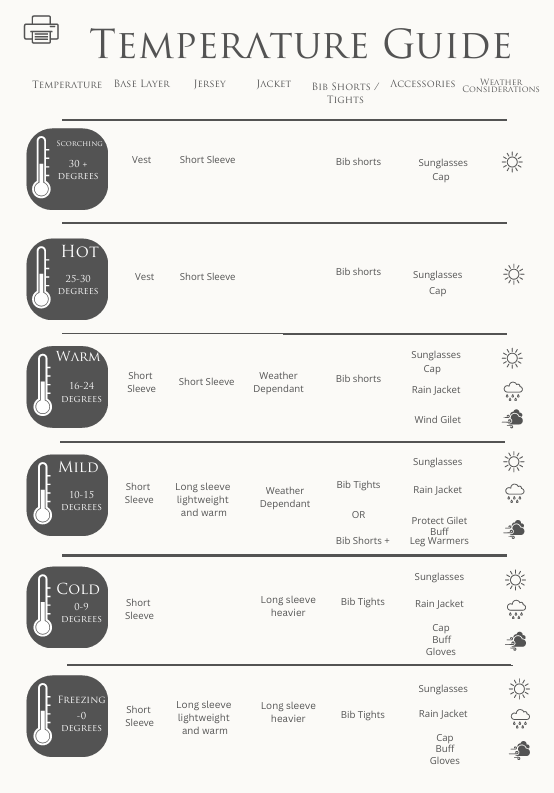
Weather conditions can drastically influence your choice of cycling gear, even when temperatures seem similar. For instance, it could be 20°C with rain showers, requiring lightweight, water-resistant layers to stay dry, or 18°C with wind chill, where a windproof jacket or vest might be essential to keep warm. Our garment guide goes beyond just temperature—it also considers weather variations like wind, rain, and humidity. From wind-blocking layers to waterproof accessories, the guide (scroll down) helps you adjust your clothing for both comfort and performance, no matter the riding conditions.


Top Layers
Base Layers.
Usually a thin mesh layer worn next to the skin to wick sweat away and help to regulate your body temperature in warm weather. If it’s colder you can double them up and trap a layer of warm air between them to clear sweat but still keep you warm.
Jerseys.
Short sleeved, lightweight jerseys are breathable and used to keep body temperature down on hot days. As with bib shorts, these can be paired with arm warmers to give the rider flexibility in changeable weather conditions.
Long sleeved mid-weight jerseys with thin insulation are for mild weather days. They provide extra warmth while still being breathable. A good choice for a lot of UK ‘summer’ weather.
Long sleeved, thermal heavy-weight jerseys are for cold weather. They have much more insulation to keep you warm and depending on model they can also be wind blocking.
Jackets.
Lightweight windproof vest and gilets are ideal for mild or warm weather. These are primarily to reduce the effects of windchill without adding a lot of bulk. Wear one on ‘fresh’ mornings or have one tucked into your jersey pocket for fast alpine descents once you’ve built up a sweat on the way up.
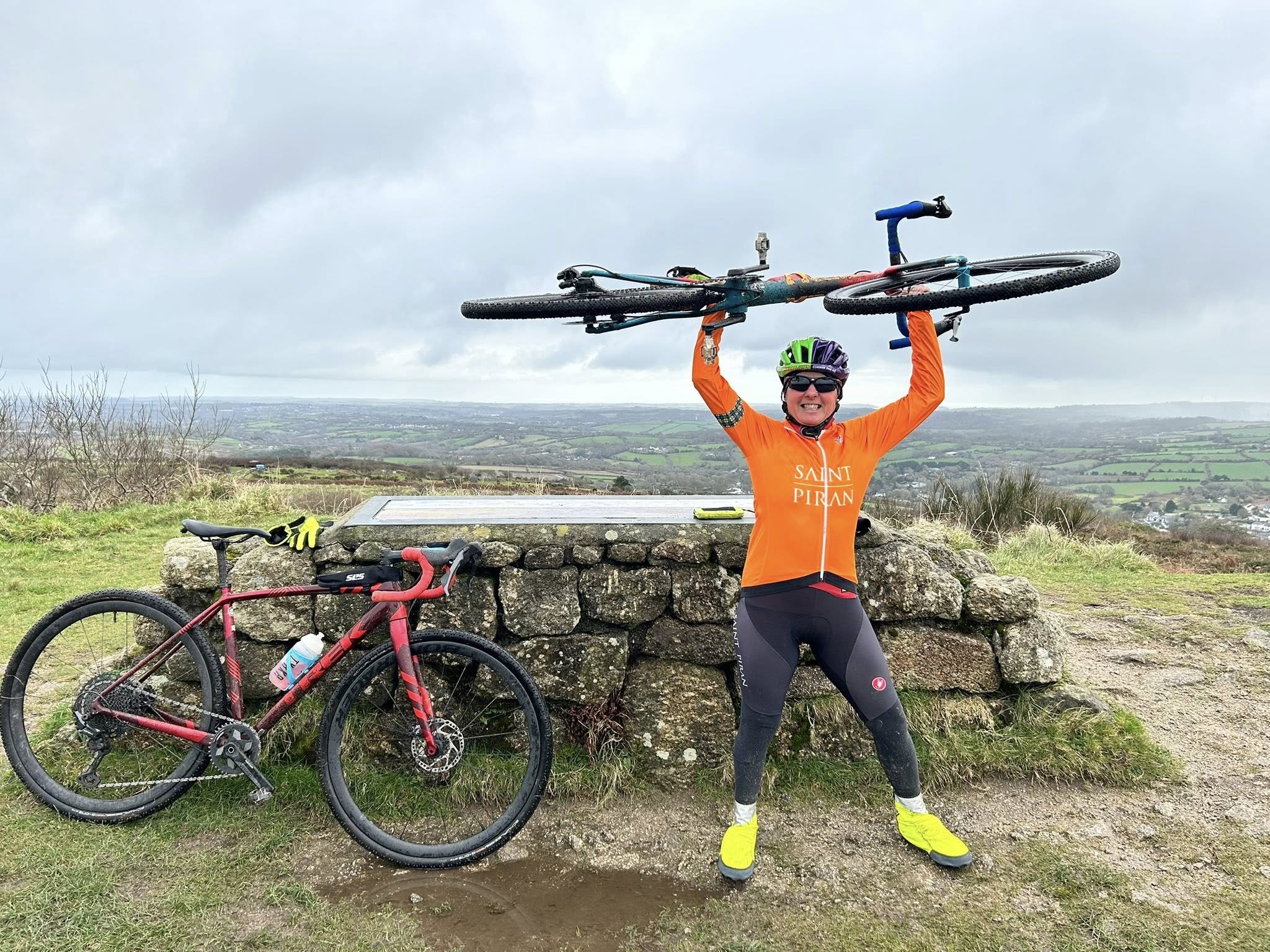
Insulated windproof, water-resistant jackets are for cold, wet or windy weather (basically half of the UK season). There are a lot of permutations in these jackets; nearly all will have a thermal element but then vary in the level of wind-proofing or water resistance. If you only ride on dry days in the winter then no need to worry about water, but if you’re a true Flanderian then you are going to want to look for a water-resistant option, or pair it with a waterproof over-jacket.
Bottom Layers
Bib Shorts are lightweight with breathable straps or lower body cover. Use these on warm or hot days to help with body heat moderation.
Thermal bib tights with full length coverage are usually fleece lined and can have water repellent or windproof elements built in. Ideal for long cool or cold weather rides or when it’s going to be windy.
Bib shorts with leg warmers give the benefits of both previous options. Leg warmers run from the top of the thigh to just below the knee, or all the way to the ankle. Go for this option if the weather is changeable or if it’s a long summer ride with an early start.
Accessories
Caps/Chapeaus under a helmet give sun protection on hot days and help to wick sweat away from the eyes. On colder days they offer a degree of windchill protection. Some manufacturers offer waterproof or thermal options too.
Neck Gaiter (buff) are for cold or windy days. These can be worn in several ways; either to protect the neck area, pulled up over the chin or ears or even worn covering most of the scalp as well. A very versatile winter option, especially if you choose the fleece lined models.
Gloves come in a wide range of options but are either lightweight for mild weather or thermal/waterproof for cold or wet weather. Getting the right fit is very important for the winter gloves; too tight and they restrict your movement and don’t trap a layer of warm air inside the glove.
Shoe covers can just be a lightweight aero cover for racing but most often they are worn in cold or wet weather to stop wind chill or water getting into your shoes. Some are a thin water/wind resistant fabric, and others are made from neoprene.